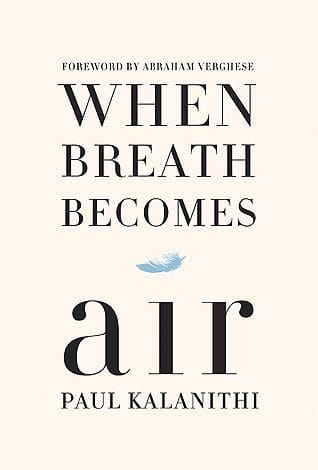
Our Take
There is a particular kind of memoir that transcends its circumstances — where the specific life being examined becomes a way of thinking about all lives, and the author's particular loss opens into something universal. When Breath Becomes Air is that kind of book. Kalanithi was not only a gifted neurosurgeon but a deeply literary mind, and the combination gives this memoir a quality rare in the genre: it is philosophically serious without being cold, and emotionally devastating without being sentimental. The book's central question — what makes a life worth living? — is one Kalanithi had been turning over since before his diagnosis, and his illness transforms it from an intellectual exercise into an urgent personal reckoning. His years working in the brain, at the precise location where personhood resides, give his observations about identity, consciousness, and mortality a weight that no amount of abstract theorizing could match. Over two million copies sold and a Pulitzer Prize finalist for good reason: this is a book that readers press into each other's hands. Those who responded to Atul Gawande's Being Mortal or Siddhartha Mukherjee's medical writing will find a natural companion here, though When Breath Becomes Air is finally its own singular thing — a work of art made under the most extreme conditions imaginable, and one of the most important memoirs of the past decade.