Our Take
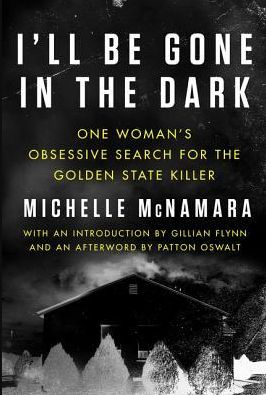
What makes I'll Be Gone in the Dark stand apart from typical true crime is that the author's own pursuit becomes part of the story. Michelle McNamara wasn't a detective or a lawyer, she was a writer who got pulled in by the unbearable unfairness of an uncaught predator, and that personal stake gives the book an emotional weight that pure procedural accounts often lack. If you loved the empathetic, victim centered approach of I'll Be Gone in the Dark's spiritual cousins, you'll find similar instincts in Michelle Dean's essays and in Rachel Monroe's Savage Appetites, which also examines the pull true crime has on the people who consume and investigate it. There are echoes too of Robert Kolker's Lost Girls, another book that refuses to let victims become footnotes to a killer's mythology. The tragedy of McNamara's death before the case broke open in real life adds an unavoidable poignancy, her research is credited with helping keep the case alive in public consciousness. This isn't a tidy mystery with a satisfying reveal baked into the narrative structure, it's messier and more human than that, which is exactly what makes it worth reading even if you already know how the real story ends.