Our Take
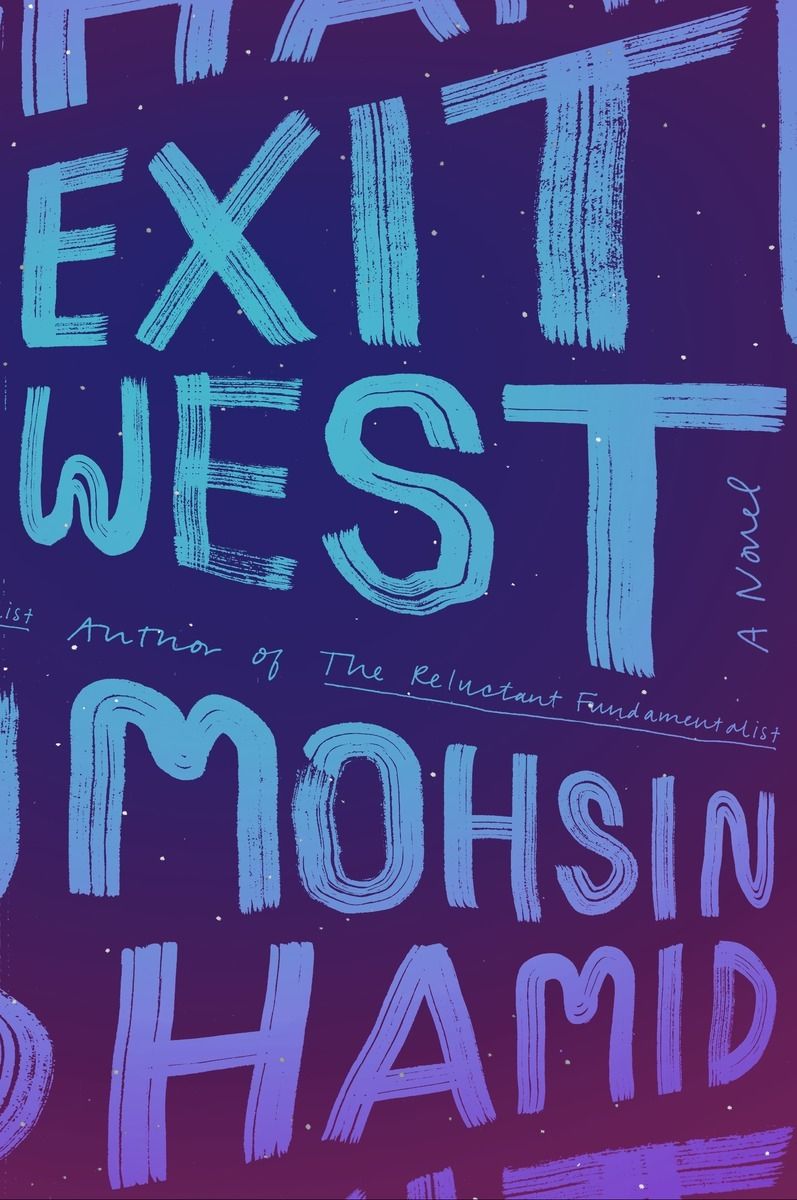
Mohsin Hamid's great trick in Exit West is making the fantastical feel almost beside the point. Those magical doors, which let characters step instantly from one country to another, could easily have become a gimmick in lesser hands. Instead, Hamid uses them to strip away the logistics of migration so he can focus entirely on its emotional weight: the grief of leaving, the disorientation of arriving, the slow erosion or evolution of a relationship under pressure none of us would choose to face. The prose is spare and unhurried, often unspooling in long, hypnotic sentences that mirror the drifting, uncertain nature of Saeed and Nadia's new lives. Readers familiar with The Underground Railroad by Colson Whitehead will recognize a similar move, where speculative elements serve as a lens for very real historical and political anguish rather than an escape from it. Fans of Station Eleven by Emily St. John Mandel will also find a kindred interest in how ordinary people rebuild identity and connection amid upheaval. What distinguishes Hamid's novel is its restraint. He never sensationalizes the couple's hardships, choosing instead quiet observation over melodrama. This is a book for readers drawn to literary fiction that engages directly with contemporary crises, especially those interested in migration, love under duress, and the question of what home really means. It rewards patience and close attention, and lingers long after the final page.