Our Take
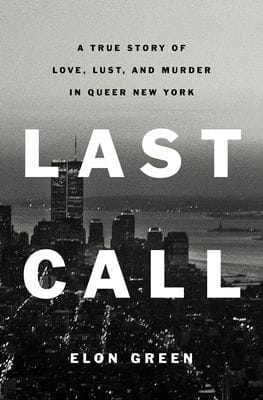
What sets Last Call apart from a typical true crime narrative is what Elon Green refuses to do with it. He doesn't sensationalize the killer, and he doesn't let the murders overshadow the people who died. Instead, the book spends as much time building a portrait of New York's gay bar scene in the '80s and '90s — a community already under siege from the AIDS epidemic and pervasive homophobia — as it does tracing the investigation itself. That balance is what earned the book a Goodreads Choice Award nomination and made it one of the more talked-about nonfiction debuts of its year. Green's reporting is patient and exhaustive, and it shows: the book reconstructs not just a killer's pattern, but the specific conditions — police indifference, a press uninterested in gay victims, a public consumed by a different epidemic — that let him operate for so long without notice. Readers who want their true crime to reckon honestly with why some victims get remembered and others don't will find this one essential. It's not an easy read, but it's a necessary one.