Our Take
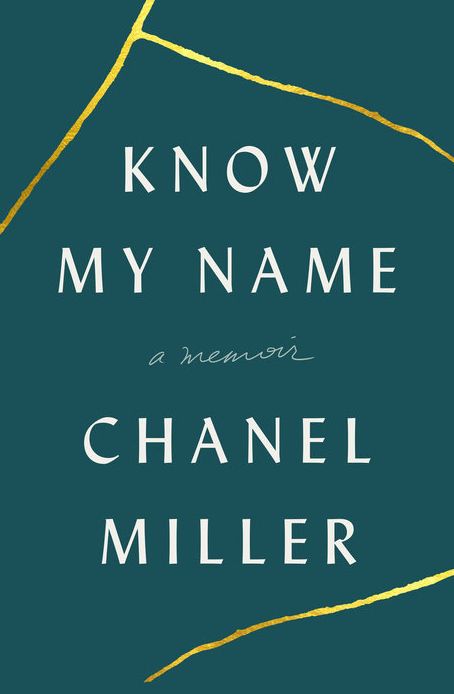
Know My Name arrived with the weight of already being famous before anyone knew the author's name, since Miller's victim impact statement had already circulated as a viral document read by millions. What makes the book essential rather than redundant is how much room it gives to everything the statement couldn't hold: the mundane cruelty of the legal process, the strange comedy of trying to live a normal life while your case makes headlines, the slow reconstruction of identity after being defined by a single violent night. Readers who found Educated compelling for its portrait of a woman writing herself into existence against enormous odds will recognize a similar project here, though Miller's prose is looser and more lyrical, closer at times to In the Dream House in its willingness to experiment with form to capture something language usually fails to hold. It's also, notably, not a grim read from start to finish. Miller is funny, observant, and generous even when writing about people who failed her. This isn't a book about victimhood so much as authorship, about who gets to control a story and how survivors take that control back. It's a hard read in places, but never a hopeless one.