Our Take
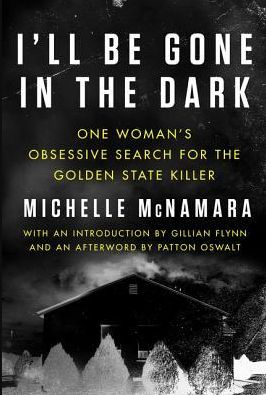
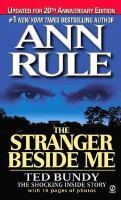
This book essentially invented a subgenre: the true crime memoir where the author has a personal stake in the story. Decades before podcasts made amateur criminologists of us all, Ann Rule was doing the work of untangling her own relationship with a serial killer in real time, and that intimacy still makes the book feel different from anything written since. If you've read I'll Be Gone in the Dark, you'll recognize that same obsessive, personally invested narrator, though Rule's connection to her subject is far more direct and unsettling. Fans of In Cold Blood will appreciate how Rule blends procedural detail with literary tension, even if her prose is less stylized than Capote's. What sets this apart is the slow accumulation of dread, Rule isn't writing with the benefit of hindsight from the start; she's rediscovering, chapter by chapter, how wrong she was. It's a reminder that the genre's best entries aren't really about violence, they're about the limits of human perception. Nearly fifty years on, this one still holds up as one of the genre's foundational texts, essential reading if you want to understand where modern true crime writing came from.