Our Take
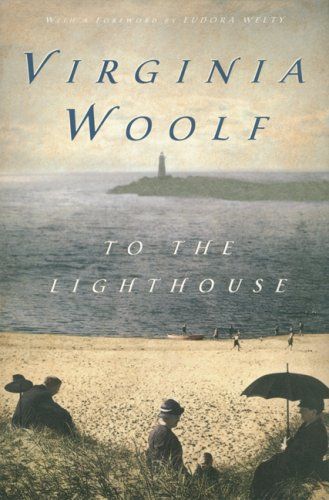
Nearly a century after its publication, To the Lighthouse is still one of the boldest formal experiments in the English literary canon, and its most famous move happens almost in passing. In the novel's brief middle section, "Time Passes," Woolf dispenses with major character deaths, Mrs. Ramsay's among them, in single, clinical sentences tucked inside brackets, with no scene, no buildup, and barely any warning. It's a stunning technical choice that mirrors the novel's larger argument: life doesn't pause for our grief, and time keeps moving regardless of what — or who — it takes with it. Woolf drew heavily on her own childhood summers and her parents' marriage in writing the Ramsays, and that autobiographical undercurrent gives even the novel's quietest domestic moments real emotional weight. Alongside Virginia Woolf's contemporaries James Joyce and Marcel Proust, she remains one of modernism's defining voices, and this novel, alongside Mrs. Dalloway, is generally considered her masterwork. It's not always an easy read — the prose moves associatively rather than chronologically, and readers accustomed to conventional plot may need a chapter or two to adjust. But for anyone interested in the origins of modern literary fiction, or in one of the most influential examinations of grief and memory ever written, this is essential.