Our Take
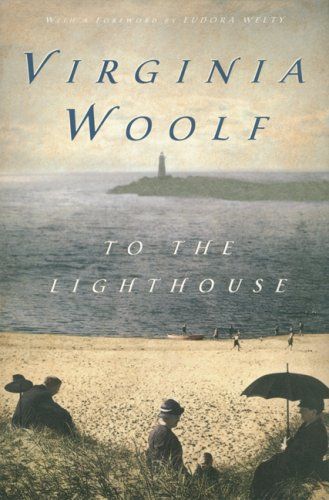
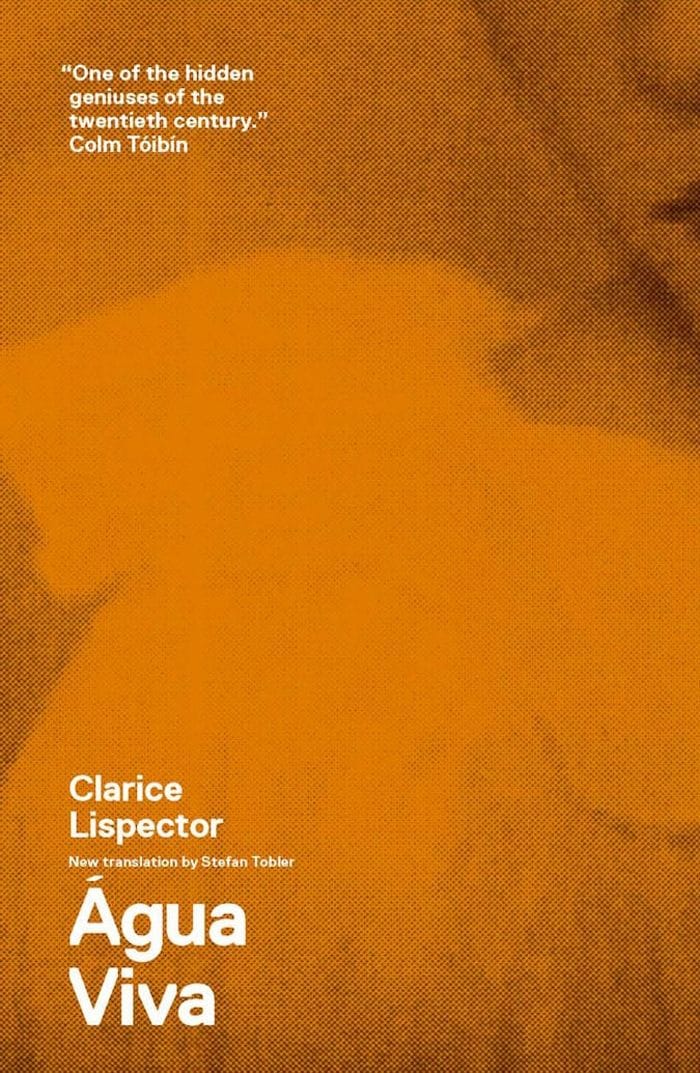
Clarice Lispector has been called Brazil's Kafka, and compared by critics to Virginia Woolf and Katherine Mansfield, but Água Viva resists even those comparisons. This is Lispector at her most formally daring — a book with no chapters, no scenes, no characters to hold onto, just a voice thinking its way through existence one fragment at a time. That radical form is exactly why it's held onto readers for five decades: this isn't a book you read for what happens, but for how it feels to be inside a mind refusing to look away from the present moment. It's demanding in the best sense. Sentences double back on themselves, images dissolve before you can pin them down, and the whole thing rewards rereading more than a straight read-through. This is not a book for readers who need momentum or resolution. But for anyone drawn to writing that treats language itself as the subject — closer to a long prose poem than a novel — Água Viva is one of the most singular reading experiences in translation. At 88 pages, it's short enough to finish in an afternoon and dense enough to occupy you for weeks after.