Our Take
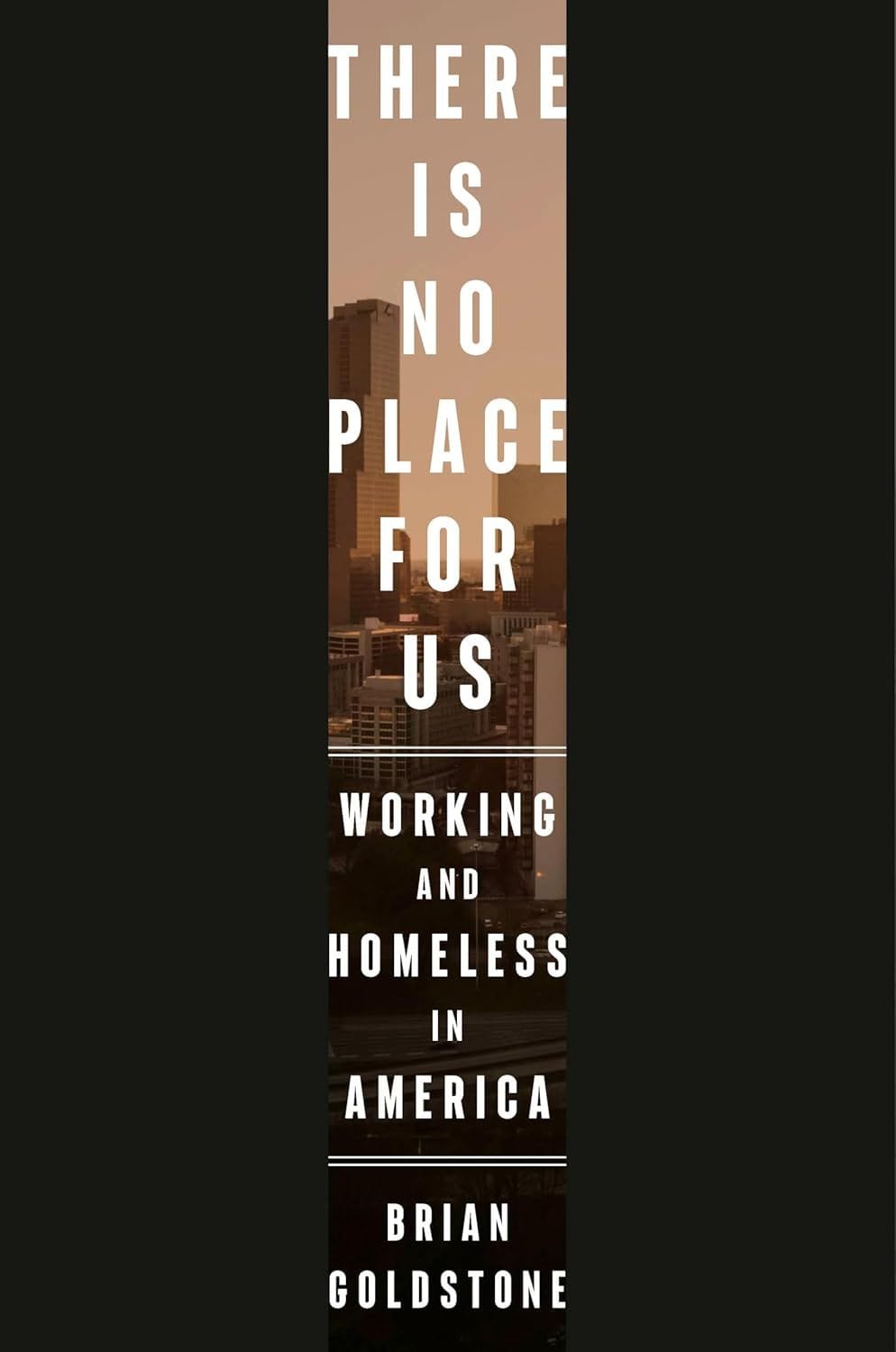
The phrase "working homeless" shouldn't be possible in a country that treats employment as the primary measure of a person's worth — and that tension is exactly what Brian Goldstone exploits to devastating effect. There Is No Place for Us operates in the tradition of Matthew Desmond's Evicted: deeply embedded, novelistically rendered journalism that refuses to let systemic forces remain abstract. Goldstone spends years with his five families, and the result is the kind of intimacy that makes structural argument feel personal and inescapable. Atlanta is a shrewd choice of setting — a city marketed as the Black Mecca, a place of mobility and reinvention, where the gap between the myth and the material reality is especially stark. The book's central argument is blunt and well-supported: the housing crisis is not a failure of the economy but a consequence of its success, and it will not be solved by individual effort or market correction. Readers who were shaken by Evicted or Barbara Ehrenreich's Nickel and Dimed will find this essential and enraging in equal measure. And for anyone who wants to understand what American cities are actually doing to the people living in them right now, this is required reading — rigorous, humane, and impossible to dismiss.