Truman Capote's 1958 novella became one of the most recognizable films of the early 1960s. We lined up the page and the screen, checked what Capote said, and left the verdict to you.
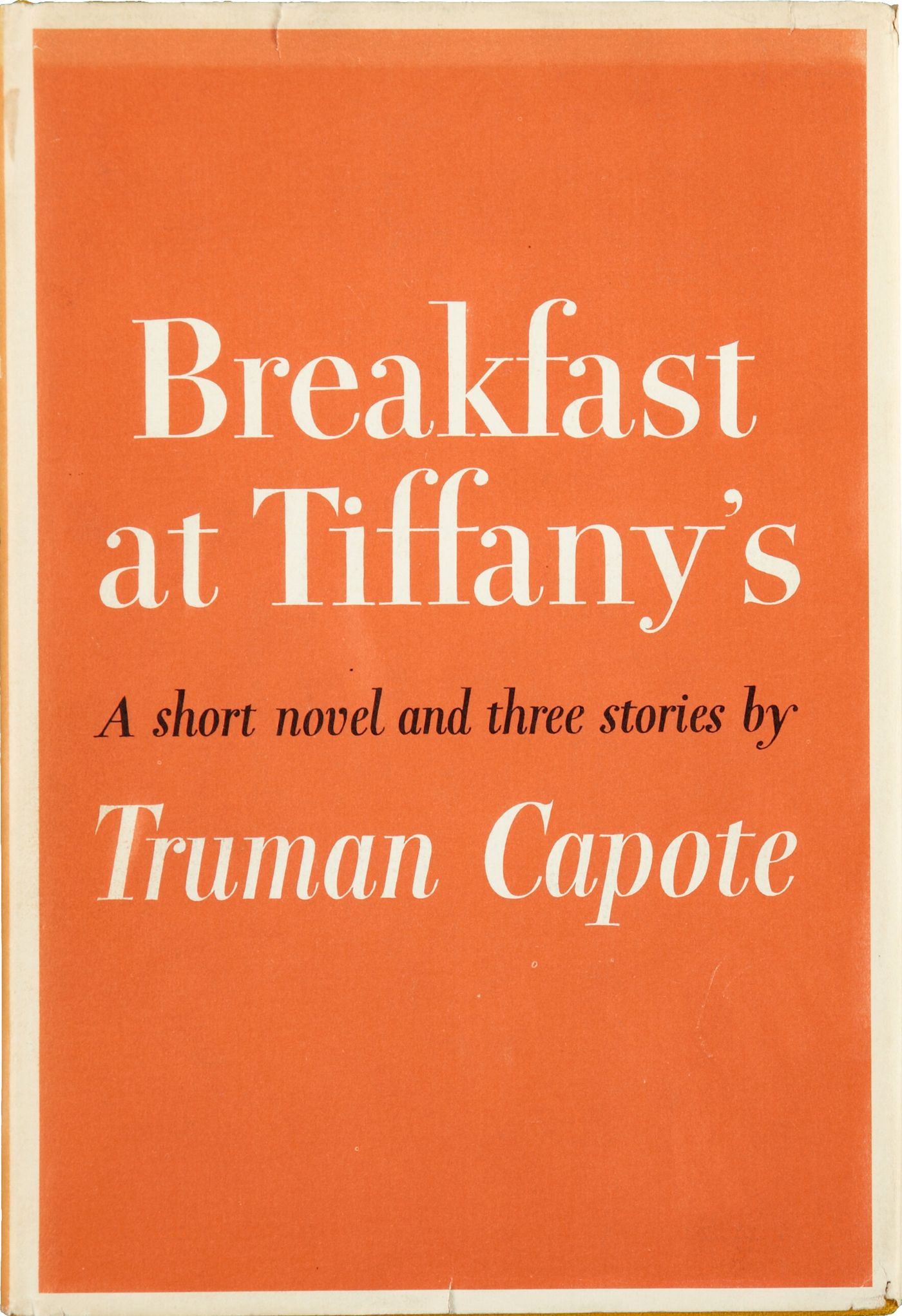
The Book
Breakfast at Tiffany's
by Truman Capote
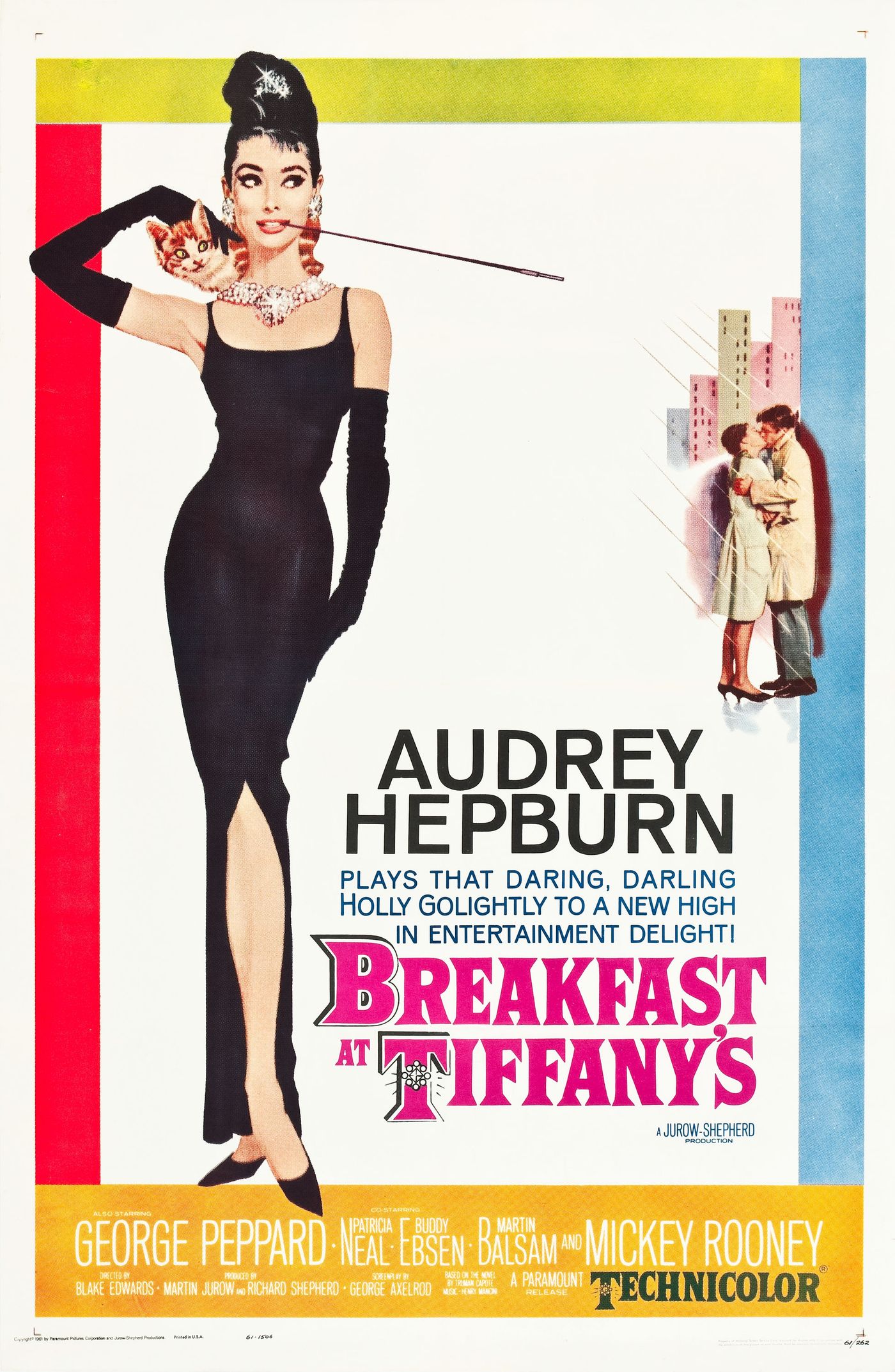
The Film
Breakfast at Tiffany's
Directed by Blake Edwards, 1961
🔀 What Changed
Spoiler warning: this section discusses plot changes, including the ending.
In the novella, the narrator is an unnamed writer who admires Holly Golightly as a friend and neighbor. The film names him Paul Varjak and turns him into her romantic interest, which reshapes the story into a love story. The ending changes the most. In the book, Holly leaves for Brazil and the narrator never sees her again, while the film closes with the two reuniting and the cat found in the rain. Holly's lifestyle is also handled more gently on screen. The book is more openly about how she makes her living, and the film softens that for a mainstream audience.
🎙️ What the Author Said
Capote's dissatisfaction is well documented. He had wanted Marilyn Monroe for Holly Golightly and was unhappy that Paramount cast Audrey Hepburn instead. In later interviews, including a 1968 Playboy conversation, he said the studio had gone back on what he understood about the project. He did not reject the film's visual style, but he made clear that it was not the version he had imagined.
“Paramount double-crossed me.”
One story, two very different endings for Holly Golightly. Which version do you prefer?