Anthony Burgess's 1962 novel about a teenage gang leader and a state experiment in behavior control became one of the most debated film adaptations ever made. Here is how the page and the screen compare.
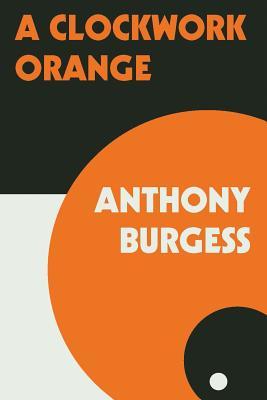
The Book
A Clockwork Orange
by Anthony Burgess
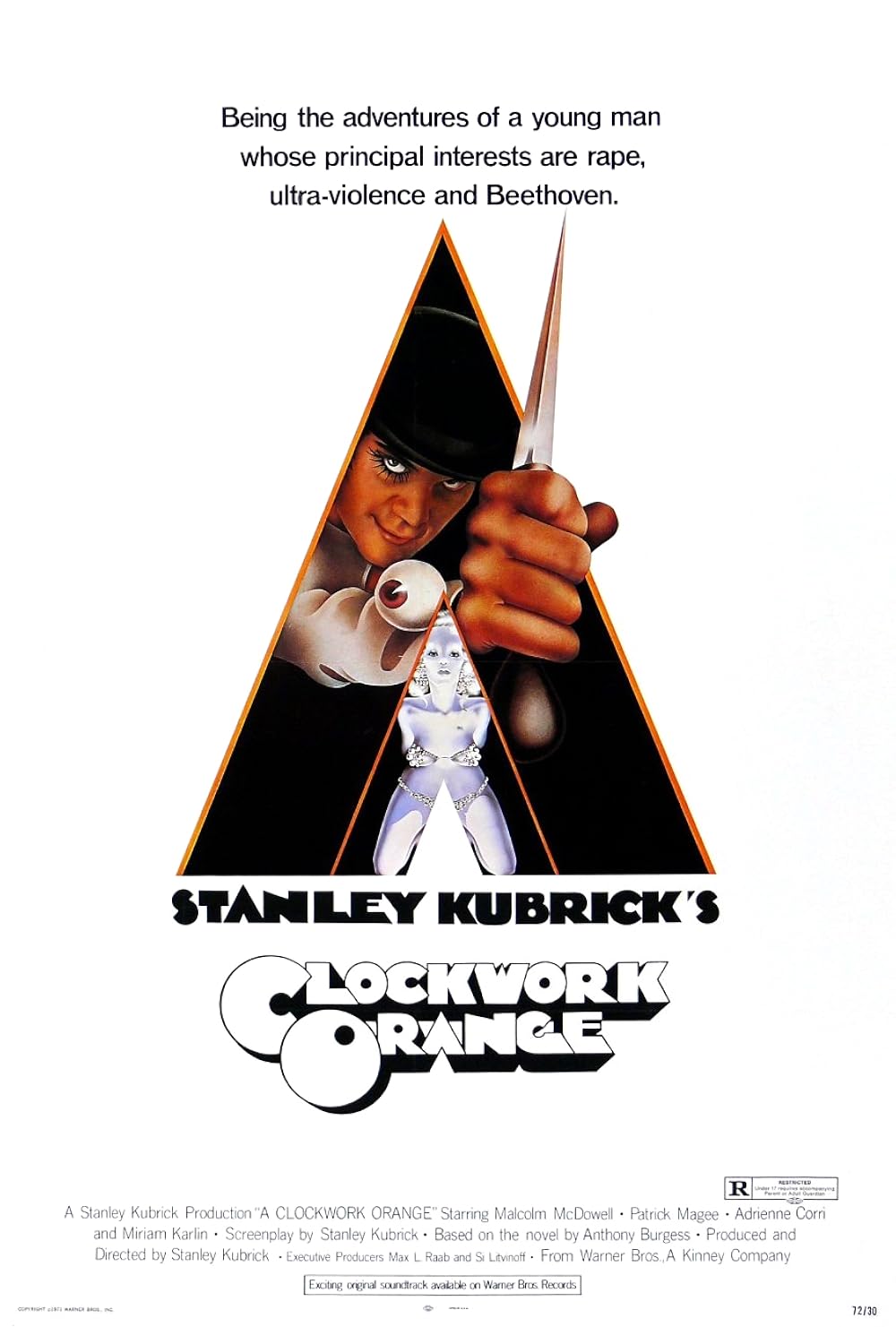
The Film
A Clockwork Orange
Directed by Stanley Kubrick, 1971
🔀 What Changed
Spoiler warning: this section discusses plot changes, including the ending.
The biggest difference is the ending. The novel has 21 chapters, and in the final one Alex grows tired of violence and begins to mature. The American edition of the book omitted that chapter, and Kubrick worked from that version, so the film closes on a more ambiguous note with Alex restored to his old impulses. The film also compresses the book's structure, which is split into three parts of seven chapters each. Burgess wrote Alex's narration in Nadsat, an invented teenage slang drawing heavily on Russian. The film keeps a good deal of that language, but the novel is saturated with it, and the film leans on visuals and music in its place.
🎙️ What the Author Said
Burgess commented on the film many times, and his stance was mixed. He acknowledged it as a powerful, well-made work, and it helped make the book far better known. He also said the film's popularity led many people to see the story only as a tale of violence, and he came to regret that the final chapter was missing from the version Kubrick used. In his later writing, he said the book became overshadowed by the film's reputation.
“The book became known as a film he did not fully control.”
Two versions of the same story, two different endings. Which one gets your vote?