Michael Ende's fantasy novel sent a lonely boy into a book that pulled him inside. Wolfgang Petersen brought it to the screen in 1984, and the author had strong feelings about the result.
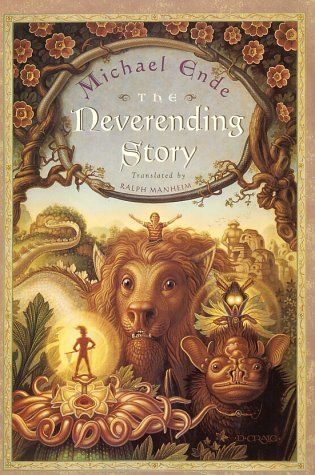
The Book
The Neverending Story
by Michael Ende
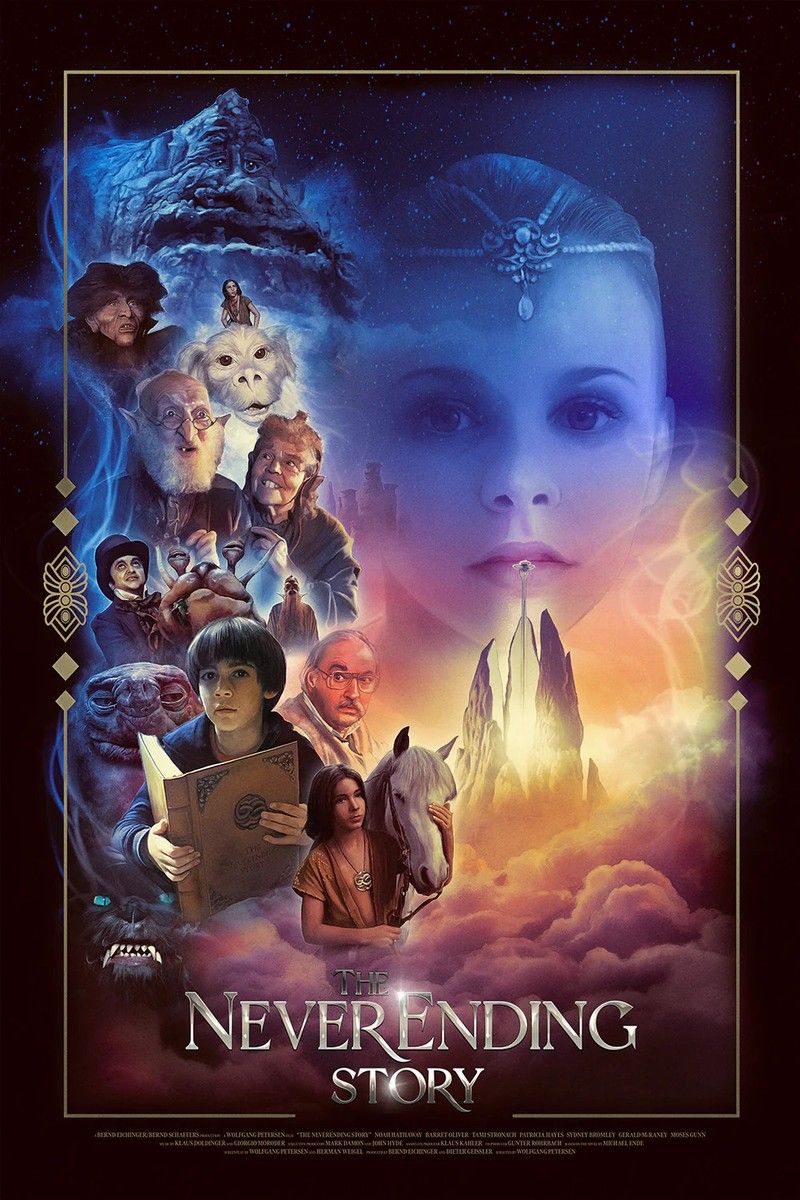
The Film
The NeverEnding Story
Directed by Wolfgang Petersen, 1984
🔀 What Changed
Spoiler warning: this section discusses plot changes, including the ending.
The biggest change is scope. The 1984 film adapts only roughly the first half of the novel, following Atreyu's quest to save Fantasia from the Nothing. The book's second half, in which Bastian enters Fantasia himself, is not adapted in this film. That half carries the novel's central idea: each wish Bastian makes costs him a memory of his real life. Because the film leaves that arc out, the story's cautionary shape about wishes and identity is not present on screen. The book also uses two ink colors to separate the real world from Fantasia, a typographic device that a film cannot reproduce directly. The film instead builds its own resolution for Bastian's story rather than following the novel's path.
🎙️ What the Author Said
Ende was openly critical of the film. He objected that it departed from the spirit of his book and reportedly pursued legal action in Germany to stop the production or have his name removed, which was not successful. His objection is widely reported to have centered on the film's commercial approach and on how far it strayed from his themes. He is quoted as describing it as a "gigantic melodrama of kitsch and commerce."
“"A gigantic melodrama of kitsch and commerce."”
One story, told once in ink and once on screen. Which version of Fantasia would you rather return to?