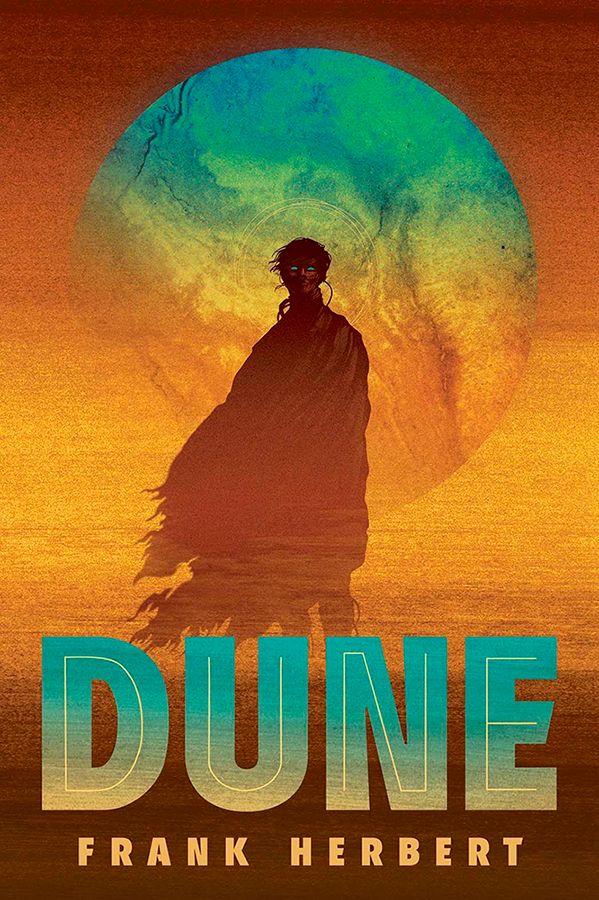
Our Take
Dune is the kind of book that gets called a landmark so often that it is easy to forget it is also a gripping read. Frank Herbert builds Arrakis with real patience, and the desert planet, its scarce water, and the spice everyone wants feel like a working system rather than backdrop. Politics, ecology, and religion all press on the same story, and that density is the point.
Be honest with yourself going in: this is not a breezy page turner. The opening asks you to absorb unfamiliar terms, shifting loyalties, and a lot of scheming conversation. Readers who stick with it tend to find the payoff in how everything connects. The pacing rewards attention, and the ideas linger well after the last page.
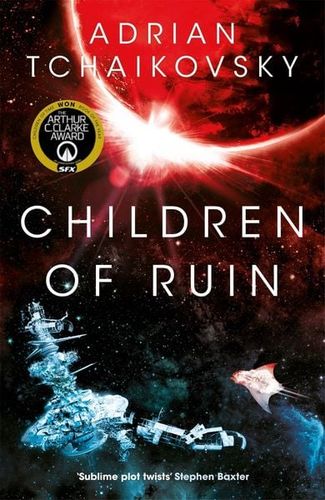
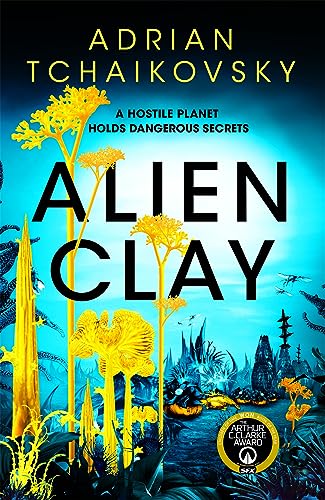
If you like big, idea driven science fiction, a few comparisons help. Foundation by Isaac Asimov shares the sweeping view of civilizations and power across huge stretches of space. Hyperion by Dan Simmons offers a similarly layered, ambitious universe with a strong sense of myth. Children of Time by Adrian Tchaikovsky is a more recent pick for readers who enjoy science fiction that treats ecology and survival seriously.
For a Sci-Fi Sunday, Dune is a foundational choice, whether it is your first read or a long overdue return.