Our Take
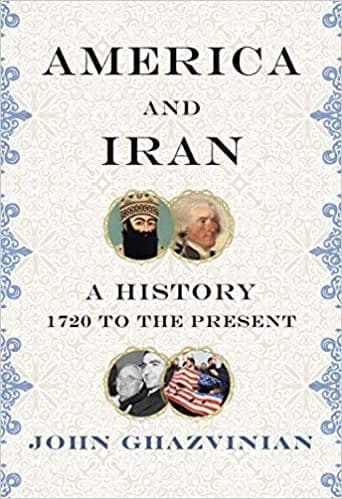
What makes America and Iran essential reading is not just its scope — though the scope is remarkable — but its insistence on telling the story from both sides. Ghazvinian's dual vantage point, as someone with deep roots in both cultures and access to archives most Western historians cannot reach, gives the book a texture and balance that fundamentally reframes the conflict. This is not a story of Western intervention and Eastern reaction, nor its inverse; it is a story of two nations repeatedly failing to see each other clearly, with consequences that continue to shape the world.
The seasonal metaphor that structures the book works better than it might sound — it gives shape to a very long and complicated arc without oversimplifying it, and Ghazvinian is careful to populate each phase with specific people, decisions, and turning points rather than broad strokes. The archival research is evident throughout, surfacing details and perspectives that complicate the familiar narrative at every stage.
Readers who found Dror Moreh's work on Middle Eastern geopolitics revelatory, or who were gripped by Ronan Farrow's War on Peace for its portrait of American foreign policy's human costs, will find America and Iran a richly rewarding companion. Urgent, authoritative, and written with uncommon clarity — exactly the book this moment needs.