Our Take
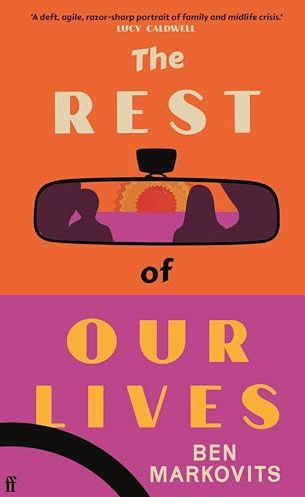
Benjamin Markovits has built a career writing intelligent, emotionally precise fiction, and The Rest of Our Lives might be his most accessible work yet. Its premise, a middle-aged man simply driving away from his life, sounds slight on paper, but the novel's power comes from how honestly it treats the accumulated grievances and compromises of a long marriage. Fans of Tom Perrotta's suburban discontent or Richard Ford's Frank Bascombe novels will recognize the terrain: a narrator whose interiority is both the point and the pleasure, someone whose ordinary crisis becomes compelling because of how carefully it's observed. Markovits writes with a restraint that never tips into melodrama; Tom's resentments are petty and human, his nostalgia unreliable, his self-justifications squirmy and recognizable. The road trip structure gives the novel forward momentum without sacrificing its interiority, each stop peeling back another layer of what kept Tom static for so long. There's a dry wit running underneath the melancholy, keeping the book from ever feeling like a slog through midlife malaise. Readers who loved Meg Wolitzer's marriage novels or the quiet devastations of Kent Haruf will find a kindred sensibility here. This is a book for readers who want their fiction to sit with discomfort rather than resolve it neatly, anyone drawn to novels about the gap between the life we imagined and the one we're actually living.