Our Take
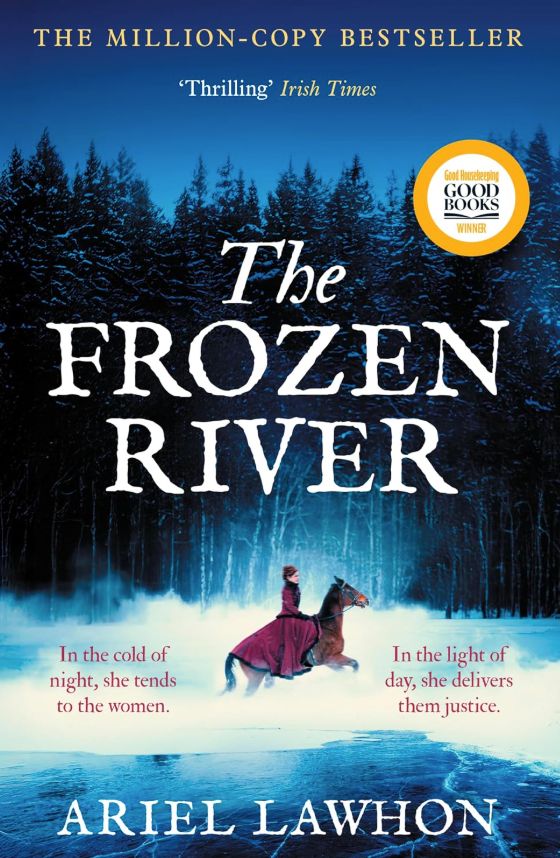
Ariel Lawhon built this novel from an extraordinary primary source: the actual diary of Martha Ballard, an 18th-century midwife whose meticulous records became a foundational text for social historians. That real foundation gives The Frozen River a weight and specificity that pure invention rarely achieves. Lawhon doesn't just recreate frontier Maine, she inhabits it, filling in the diary's spare entries with the texture of daily survival: births, deaths, illness, and the constant negotiation of power between men and women in a lawless-feeling settlement. Readers who loved The Marriage Portrait by Maggie O'Farrell for its immersive historical detail, or Small Things Like These by Claire Keegan for its moral clarity in the face of institutional power, will find similar satisfactions here. Fans of Circe by Madeline Miller might also appreciate how Lawhon centers a woman's voice and labor as the true engine of the story, even as men attempt to control the narrative around her. The prose is patient and procedural, mirroring Martha's own methodical record-keeping, and the tension builds less through plot twists than through mounting dread about whether truth can survive contact with entrenched power. This is a book for readers who want their historical fiction grounded in real lives, who don't mind a slower burn, and who appreciate stories where an ordinary woman's persistence becomes its own form of quiet heroism.