Our Take
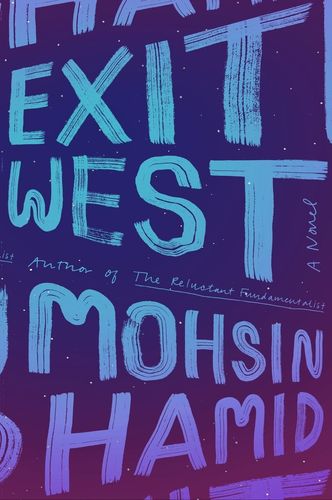
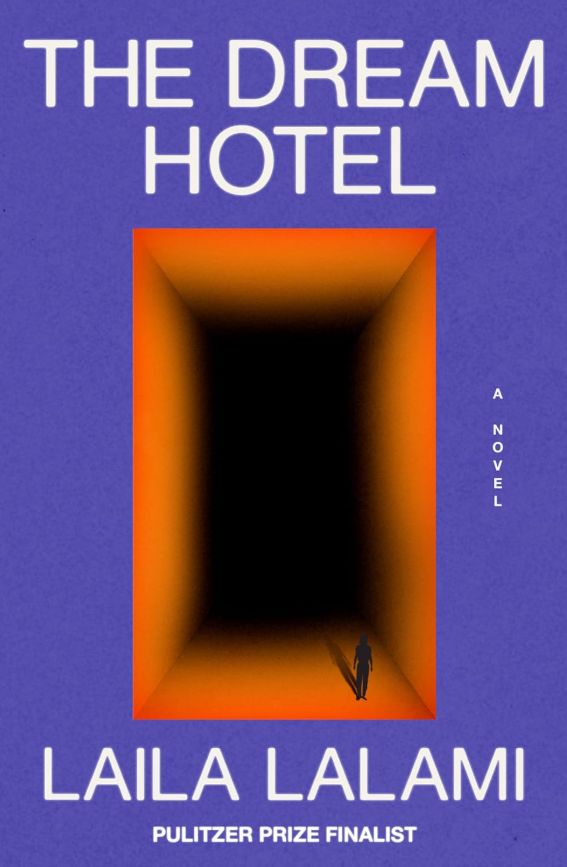
Laila Lalami has always been interested in who gets to claim autonomy over their own story, and The Dream Hotel pushes that concern into unsettling new territory. What makes the novel work is its restraint: rather than a cartoonish surveillance dystopia, Lalami builds a world that feels like a small, believable extrapolation from where we already are, data brokers, predictive policing, wellness apps that know too much. That plausibility is what makes Sara's detention so disturbing. Readers of Dave Eggers' The Circle or Jenny Offill's fragmented, anxious prose in Weather will recognize the same interest in how technology reshapes intimacy and selfhood, though Lalami's approach is more grounded in bureaucratic absurdity, closer in spirit to Kafka filtered through a very modern administrative nightmare. There's also a clear kinship with Mohsin Hamid's speculative work, particularly in how ordinary domestic stakes (a marriage, a family, a job) get quietly upended by systemic forces beyond one person's control. Lalami's prose is precise and unhurried, letting dread accumulate rather than spike. The novel is less interested in dramatic escape sequences than in the slow, grinding erosion of dignity within a system that insists it's protecting you. This is a book for readers who liked the moral complexity of Severance by Ling Ma or the institutional claustrophobia of The Trial, and who want their dystopias to feel uncomfortably close to home rather than safely futuristic.