Our Take
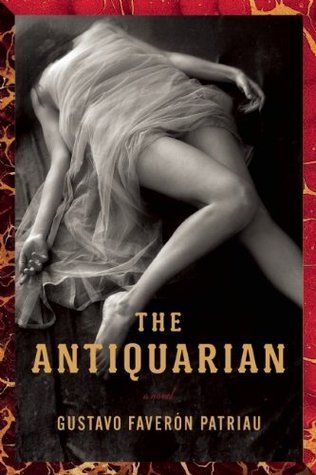
The Antiquarian's greatest strength is its structural audacity: Gustavo Faverón Patriau builds a novel that mimics the fractured, associative logic of trauma and madness rather than simply describing it. Readers who admired the labyrinthine unreliability of Roberto Bolaño's The Savage Detectives or the psychological density of Mario Vargas Llosa's political novels will find familiar terrain here, though Faverón Patriau's prose leans more surreal and interior, closer at times to the disorienting menace of a fever dream than a traditional literary mystery. The writing is dense and demanding, layering timelines and narrators until the reader shares the protagonist's disorientation. This isn't a book for those wanting a tidy investigative plot; it's for readers who enjoy sitting inside uncertainty, piecing together a story from fragments the narrator himself doesn't fully trust. Faverón Patriau uses the antiquarian bookshop setting effectively, turning rare manuscripts and forbidden texts into symbols of buried history, both personal and national, given Peru's own scarred political past lurking beneath the personal drama. Fans of Roberto Bolaño, Mario Vargas Llosa, or Samanta Schweblin's stranger, more unsettling work will find plenty to chew on. This is a book for patient readers who like their mysteries psychological rather than procedural, and who don't mind a novel that resists easy resolution in favor of atmosphere, dread, and the slow accumulation of unease.