Two years after William Peter Blatty published his novel about a possessed girl in Georgetown, William Friedkin turned it into one of the most notorious horror films ever made. Blatty wrote the screenplay himself, which makes this pairing an unusually direct line from page to screen.
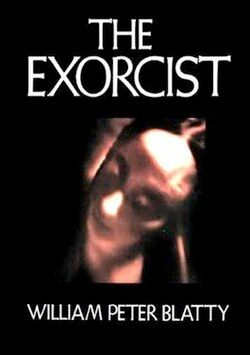
The Book
The Exorcist
by William Peter Blatty
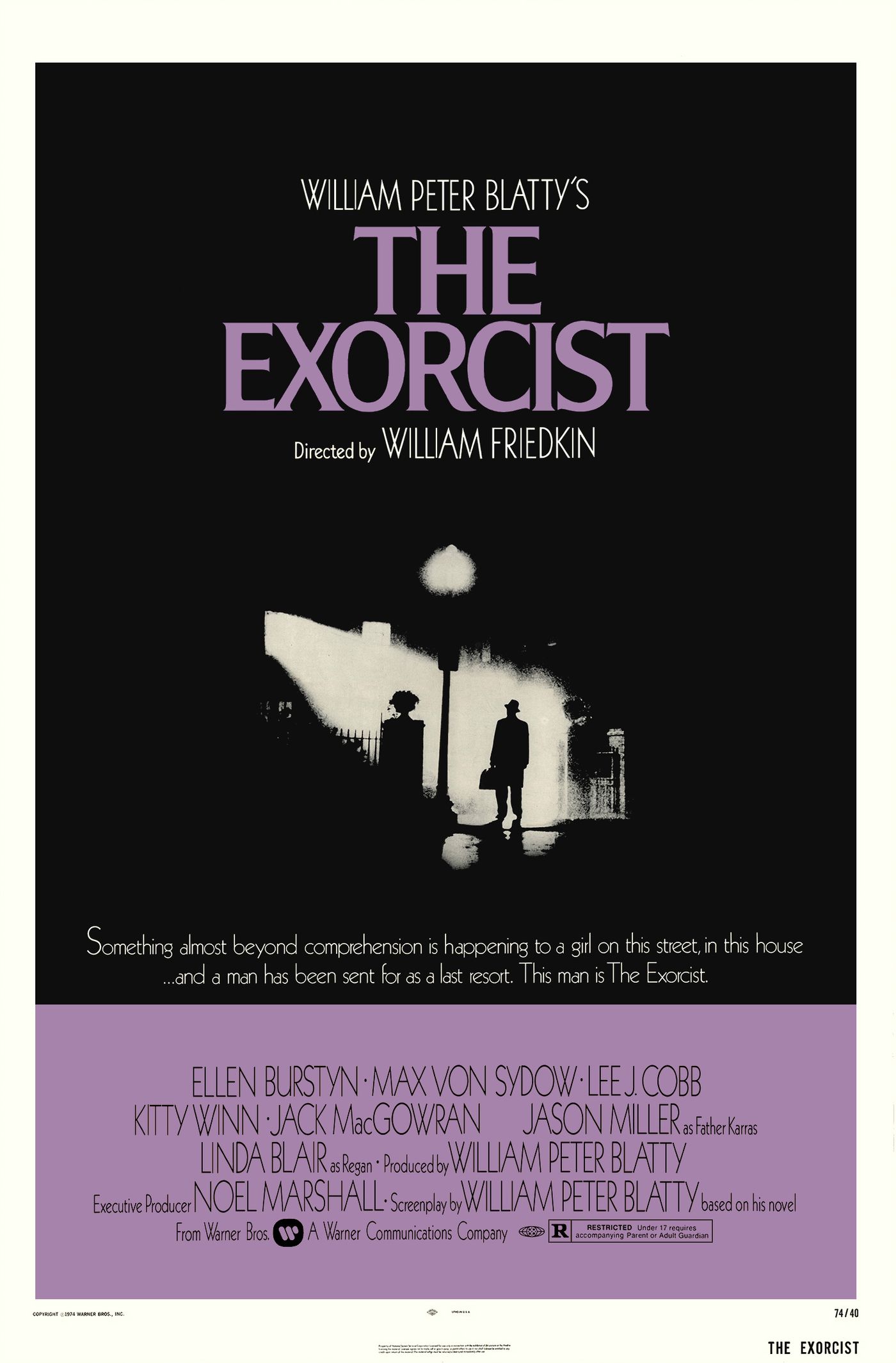
The Film
The Exorcist
Directed by William Friedkin, 1973
🔀 What Changed
Spoiler warning: this section discusses plot changes, including the ending.
Blatty adapted his own novel, so the changes are largely ones of compression and emphasis rather than invention. The book spends significantly more time on Father Karras's psychological unraveling and theological doubt, giving readers direct access to his interior crisis that the film conveys mainly through Jason Miller's performance. The novel also includes an epilogue in which Detective Kinderman befriends Father Dyer, softening the ending's bleakness; the film cuts most of this, leaving audiences with a starker, more ambiguous close. Some explicit backstory on Regan's possession and the demon Pazuzu is trimmed for pacing in the theatrical cut.
🎙️ What the Author Said
Because Blatty wrote the screenplay himself, he was closely involved in shaping the film and has spoken publicly, in multiple interviews over the decades, of his satisfaction with Friedkin's direction, though he pushed for restoring cut material. His involvement led to the 2000 theatrical re-release, 'The Exorcist: The Version You've Never Seen,' which reinstated scenes Blatty felt were essential, including the spider-walk sequence and an extended ending closer to the novel's epilogue.
“Blatty pushed for a version closer to his own novel's ending.”
The novel and the film diverge most in tone at the finish line. Which one gets it right is up to you.