Cormac McCarthy's spare, brutal novel became one of the most acclaimed literary adaptations of the 2000s, directed by Joel and Ethan Coen. Few films have hewed as closely to their source, which makes the differences that do exist worth a closer look.
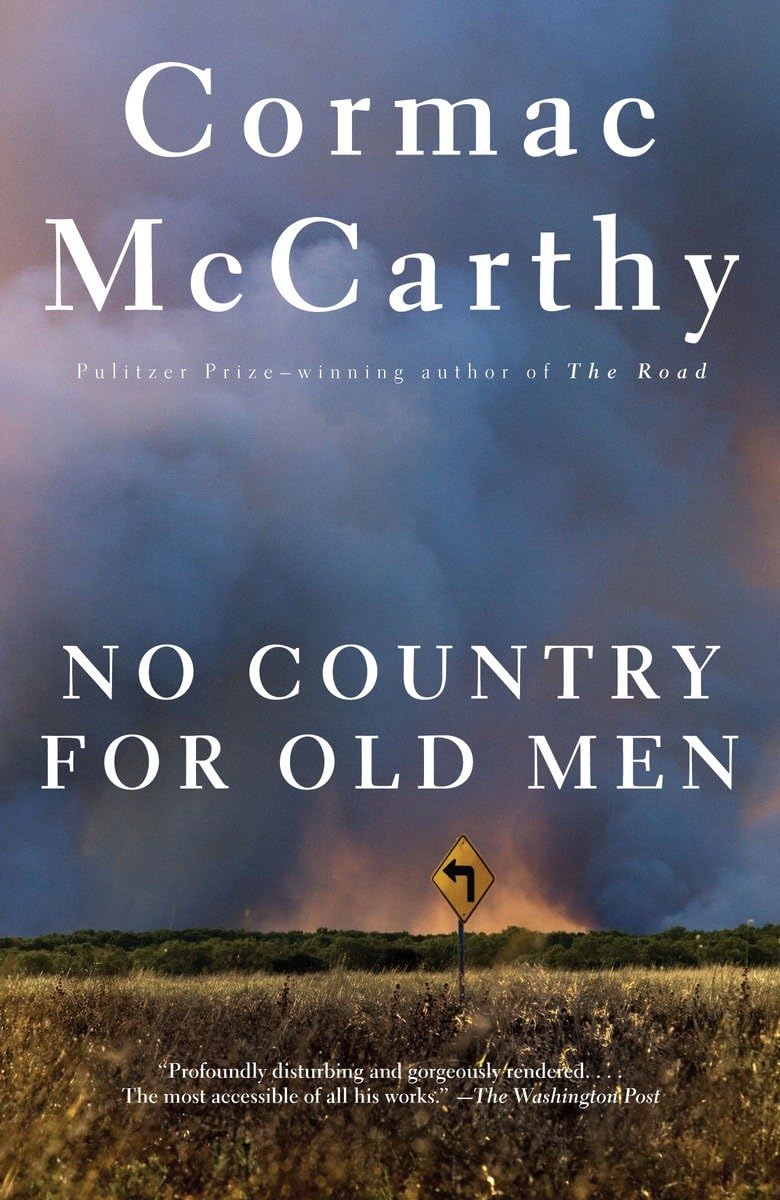
The Book
No Country for Old Men
by Cormac McCarthy
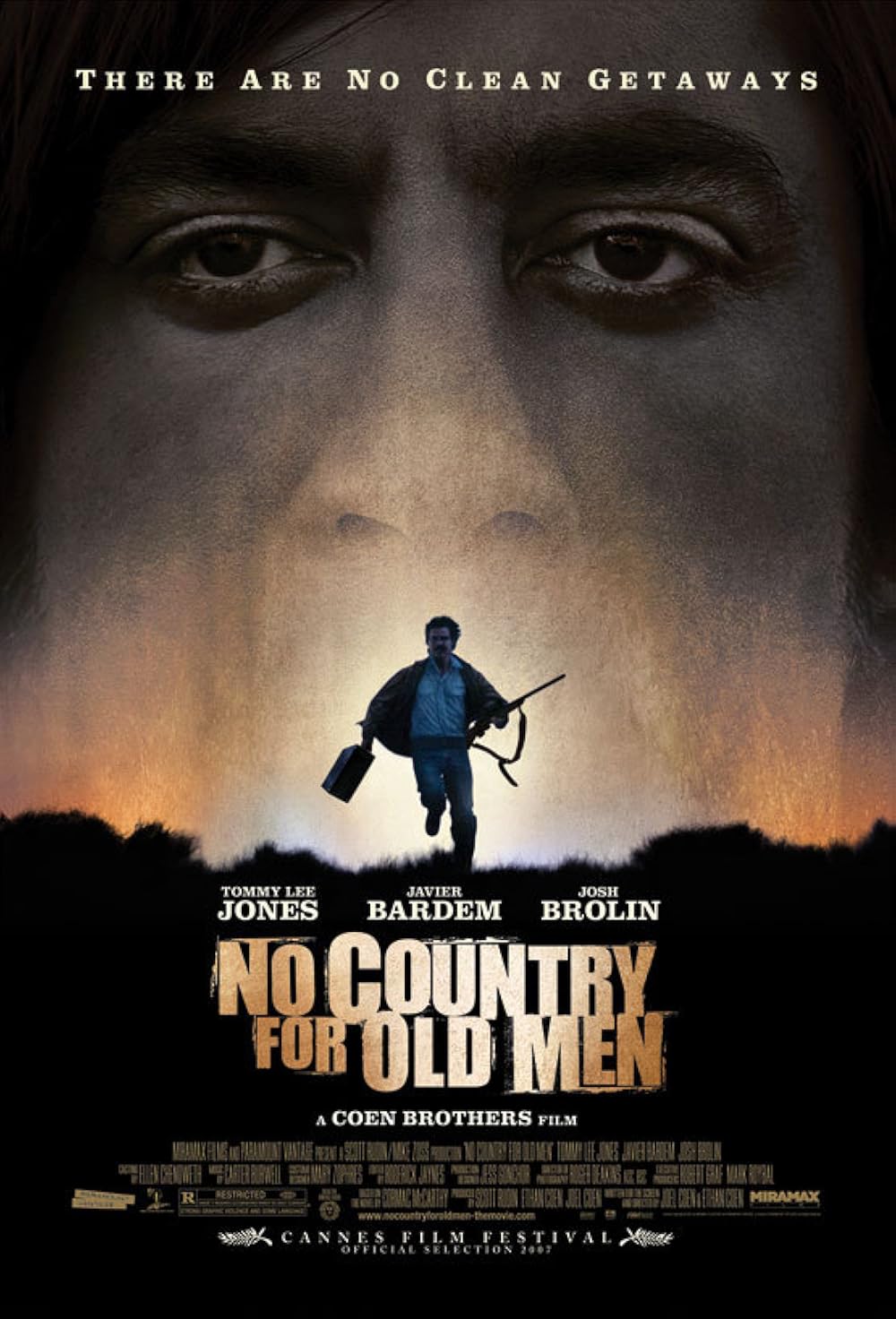
The Film
No Country for Old Men
Directed by Joel and Ethan Coen, 2007
🔀 What Changed
Spoiler warning: this section discusses plot changes, including the ending.
The Coens' script is famously faithful, lifting much of McCarthy's dialogue verbatim. Still, the film trims Sheriff Bell's interior monologues, which in the novel run as extended first-person reflections opening each section, condensing them into shorter voiceover passages. The book gives more space to Carla Jean's backstory and her mother's illness. Most notably, the film retains the novel's choice to withhold Llewelyn Moss's death from direct depiction, cutting away before the shootout resolves, matching McCarthy's own off-page handling of violence at that moment. The ambiguous coin-toss confrontation with Carla Jean and Bell's closing dream monologue are preserved nearly intact from page to screen.
🎙️ What the Author Said
McCarthy is notoriously private and rarely discusses his work publicly, and no documented on-record statement from him specifically addressing the Coen brothers' adaptation has surfaced in interviews or press materials. He did grant the Coens rights and did not intervene in production, which industry reporting has noted as a signal of his comfort with the project, but that inference falls short of a direct quote or confirmed reaction from McCarthy himself.
“No documented on-record reaction from McCarthy has surfaced.”
Two versions of the same story, both largely in step with each other. Now it's your call.