A gritty Boston crime novel and Clint Eastwood's Oscar-winning adaptation both dig into grief and violence in a working-class neighborhood, but they don't always dig in the same direction.
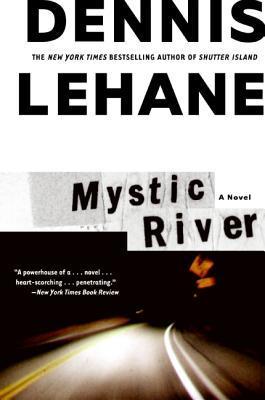
The Book
Mystic River
by Dennis Lehane
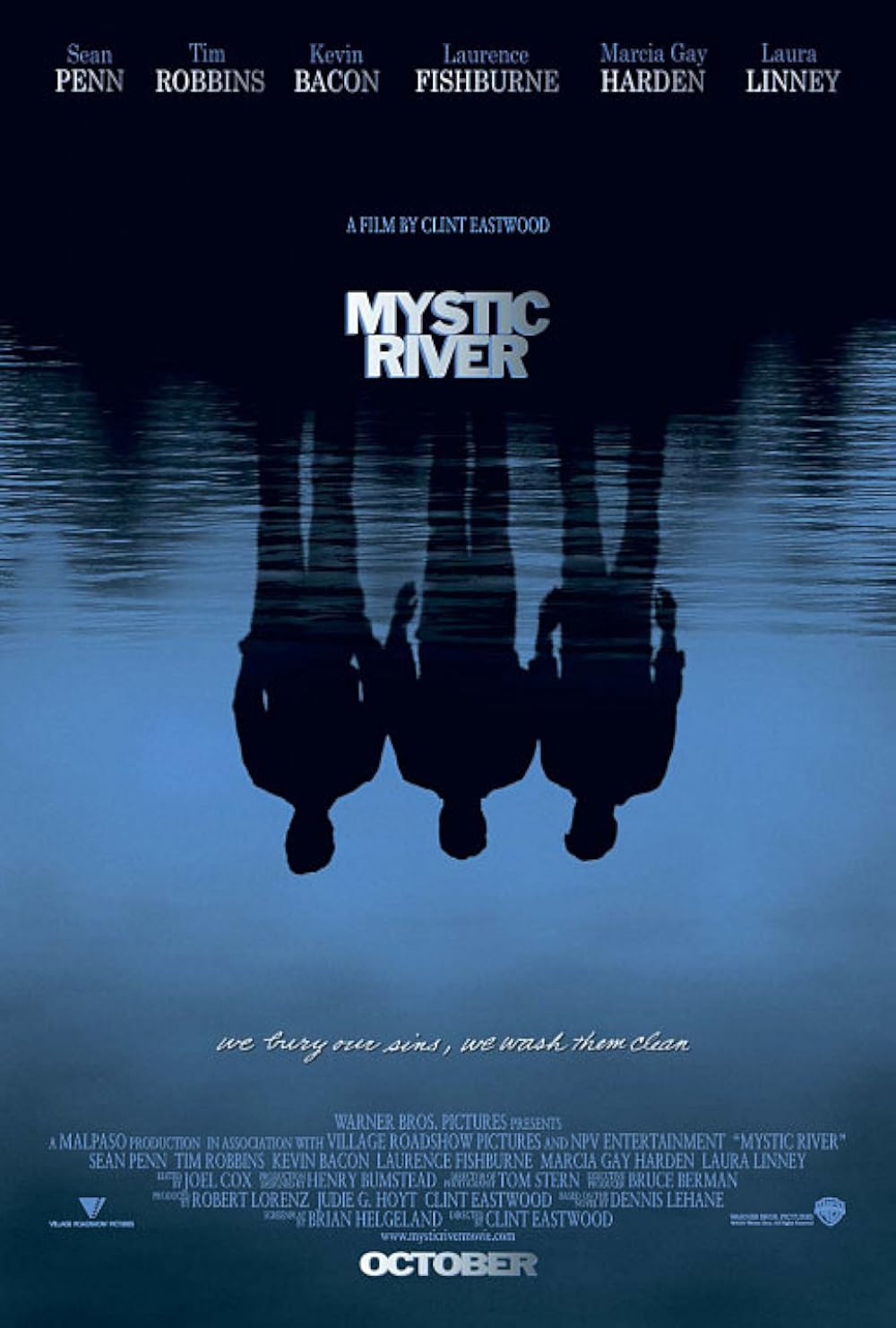
The Film
Mystic River
Directed by Clint Eastwood, 2003
🔀 What Changed
Spoiler warning: this section discusses plot changes, including the ending.
Brian Helgeland's screenplay compresses Lehane's dense, multi-perspective narrative into a tighter timeline, trimming interior monologue in favor of dialogue and visual staging. The film streamlines several supporting subplots involving the neighborhood's collective history, giving more screen time to the three central men. The core mystery and its resolution, including who is responsible for Katie's death and how Jimmy responds, remain faithful to the novel, but the book spends far more time inside characters' guilt and memory, while the film externalizes that psychology through performance and Eastwood's restrained, somber visual tone.
🎙️ What the Author Said
Dennis Lehane has spoken positively about the adaptation in interviews, noting that he considered it a faithful and well-crafted translation of the novel's tone and themes. He has credited Eastwood and Helgeland with preserving the story's emotional core while making necessary changes for pacing, and has generally expressed satisfaction with how the film handled the source material's darker moral questions.
“Lehane called the film a faithful, well-crafted translation of the book's tone.”
Two versions of the same tragedy, one built on interior guilt, the other on restrained visual weight. Now it's your call.