Nearly a century separates Mary Shelley's novel from the film that redefined its monster for the public imagination. Here's how they diverge, and what's known about the reaction at the time.
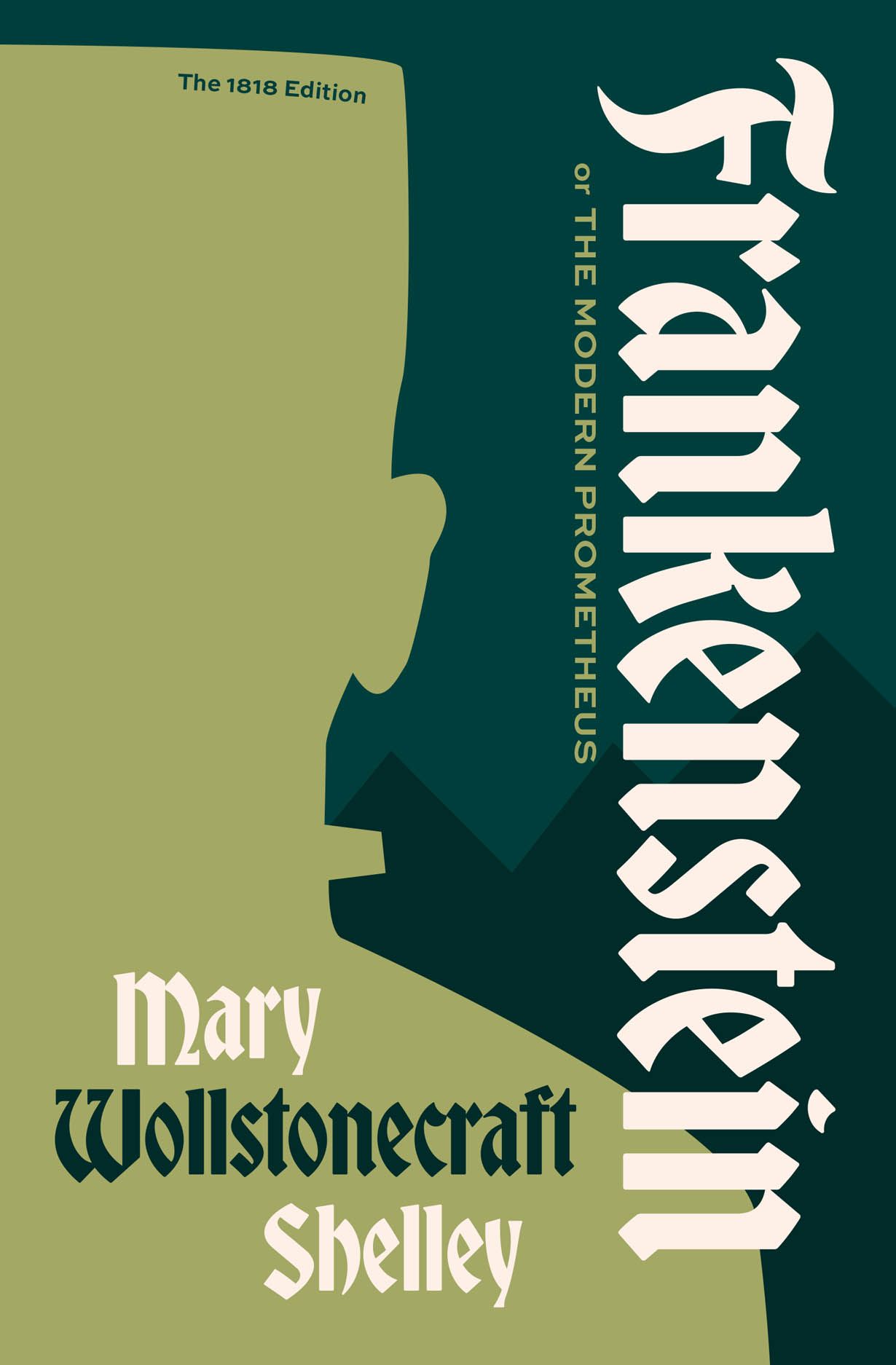
The Book
Frankenstein; or, The Modern Prometheus
by Mary Shelley
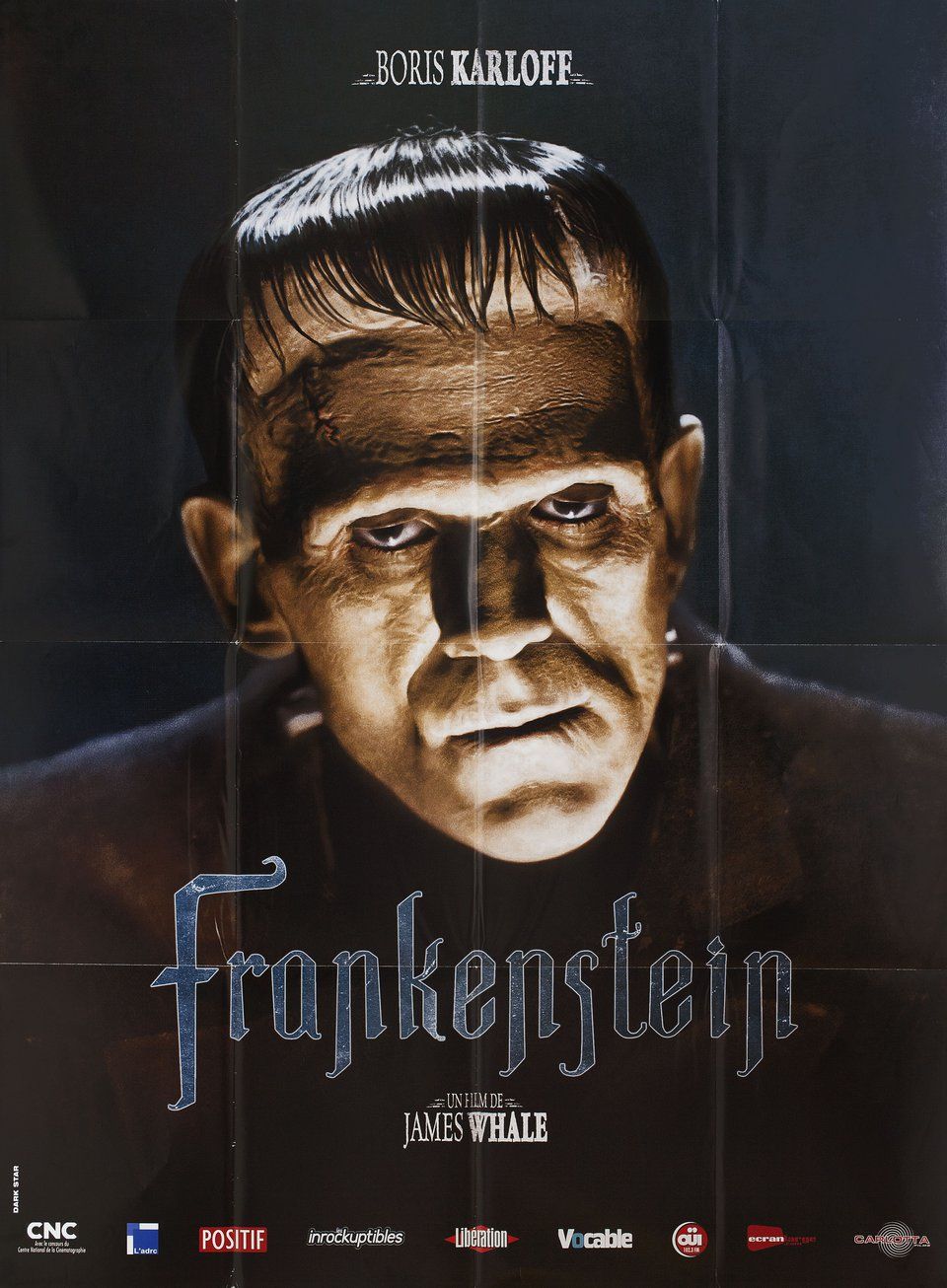
The Film
Frankenstein
Directed by James Whale, 1931
🔀 What Changed
Spoiler warning: this section discusses plot changes, including the ending.
In Shelley's novel, Victor Frankenstein's creature is articulate, self-taught through observation and reading, and never given a name beyond "creature" or "monster." The 1931 film renames Victor to Henry, introduces the hunchbacked assistant Fritz (a Hollywood invention absent from the book), and gives the Monster a criminal brain implanted by mistake, explaining his violence in a way Shelley's text never does. The novel's Arctic pursuit and ambiguous, contemplative ending is replaced onscreen with a fiery windmill climax. The book's creature also learns language fluently; the film's Monster is largely mute, communicating through grunts and physicality.
🎙️ What the Author Said
Mary Shelley died in 1851, more than 80 years before Whale's film existed, so no direct reaction from her is documented or possible. This gap is itself notable: the adaptation that shaped the monster's image in popular culture for generations was made without any input from, or knowledge by, the person who created the character. Contemporary reviewers in 1931 noted the film's departures from the source material, but the author's own view remains permanently unrecorded.
“Shelley's creature reads Milton. Whale's Monster barely speaks at all.”
Two versions of the same creation story, separated by a century of storytelling choices. Which one gets your vote?