Philip K. Dick's 1968 novel about a bounty hunter and a world of near-human androids became one of the most influential science fiction films ever made. Here is how the two versions differ, and what the author said before he died.
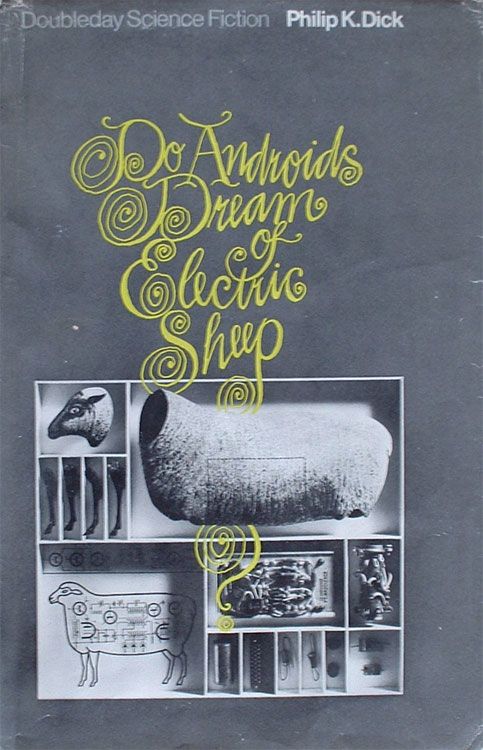
The Book
Do Androids Dream of Electric Sheep?
by Philip K. Dick
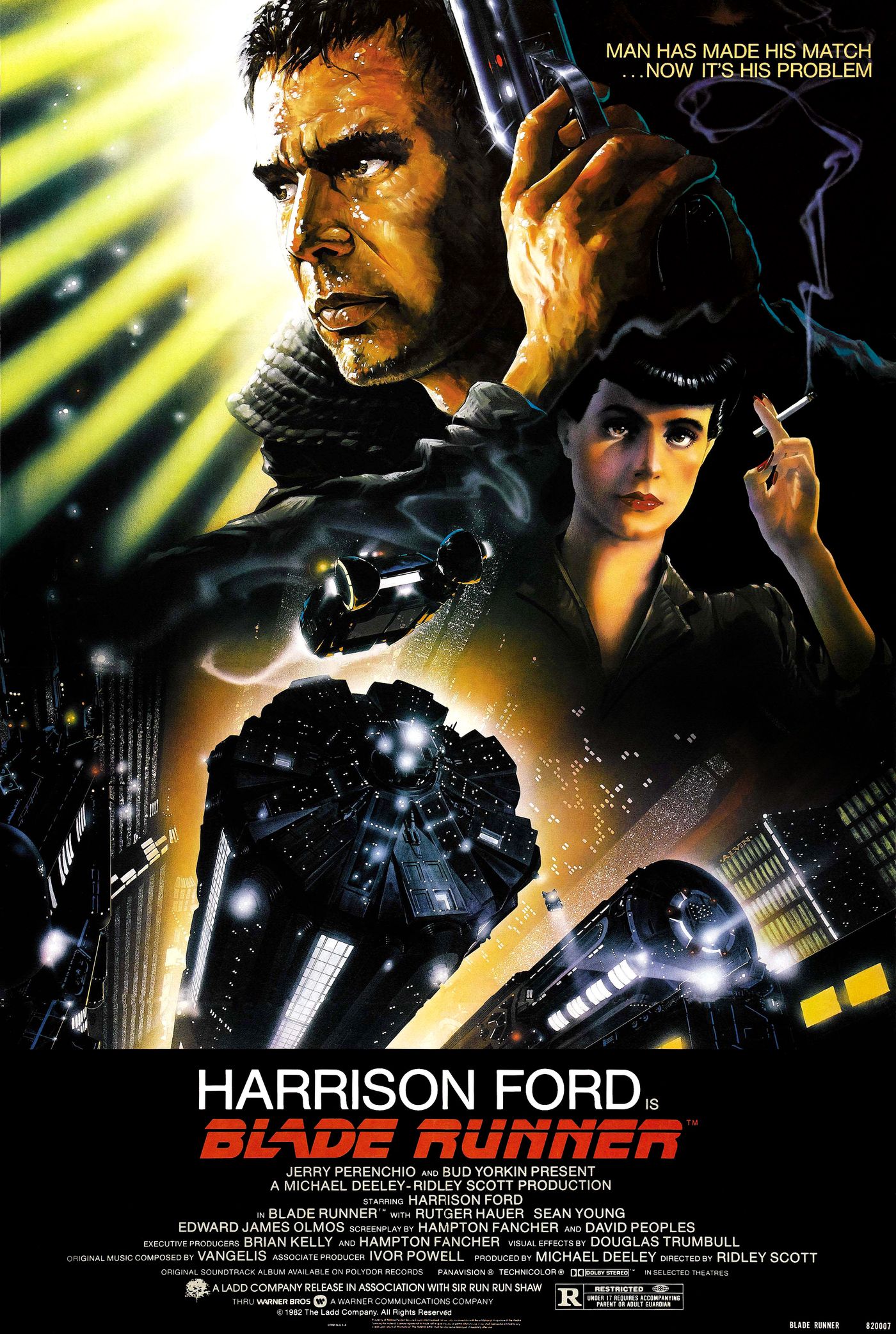
The Film
Blade Runner
Directed by Ridley Scott, 1982
🔀 What Changed
Spoiler warning: this section discusses plot changes, including the ending.
The film keeps the core premise of a bounty hunter named Rick Deckard retiring rogue androids, but it reshapes much of the world around him. The novel is set in San Francisco, while the film moves the story to Los Angeles. The book's invented religion, Mercerism, and its empathy boxes, which connect people through shared feeling, do not appear in the film. Deckard is also married in the novel, and his marriage is part of his story, while the film presents him as a solitary figure. The novel's preoccupation with owning real animals as a status symbol is largely absent as well. Even the terminology shifts: the book calls its artificial humans androids, while the film calls them replicants. The ending is also handled differently, with the film closing on a different note than the book's final scenes.
🎙️ What the Author Said
Dick died in March 1982, a few months before Blade Runner reached theaters, so he never saw the finished film. He was reportedly critical of an early screenplay draft. Later, he was shown special effects footage from the production and responded warmly, saying the visuals matched the world he had imagined when writing the book. His full reaction to the completed story, including its departures from the novel, was never recorded.
“It was my own interior world. They caught it perfectly.”
Two versions of the same questions about what makes someone human, told in very different ways. Which one do you prefer?