Our Take
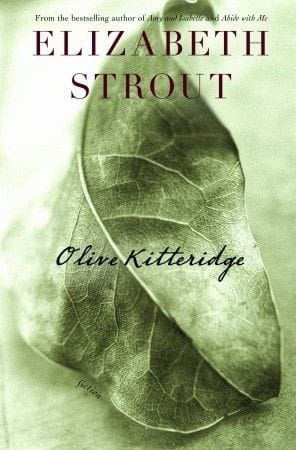
The strange thing about Olive Kitteridge is how it works on you. Story by story, you think you're reading a collection of quietly observed New England vignettes. Then somewhere around the midpoint, you realize Strout has been assembling something far more substantial—a full-length portrait of a human being, rendered not through a single sustained narrative but through glimpses, gaps, and the accumulated weight of other people's perceptions. Olive herself is a genuine original in American fiction: difficult without being villainous, perceptive without being wise, capable of great cruelty and great tenderness often within the same scene. She is not the kind of character you root for easily, but she is the kind you recognize—in other people, and uncomfortably, in yourself. Strout's prose is deceptively plain. There are no pyrotechnics here, no elaborate sentences demanding admiration. The writing earns its Pulitzer the quiet way—through precision, through restraint, and through an almost ruthless honesty about what ordinary life costs people. The New Yorker noted that Strout "animates the ordinary with astonishing force," and that's exactly right. Readers who respond to A Visit from the Goon Squad by Jennifer Egan will recognize the same structural intelligence at work—interconnected lives, shifting perspectives, time doing its slow damage. Fans of Gilead by Marilynne Robinson will find a similar moral seriousness about marriage, parenthood, and the passage of time. And anyone who loved Where'd You Go, Bernadette by Maria Semple looking for something with more weight will find it here.