Our Take
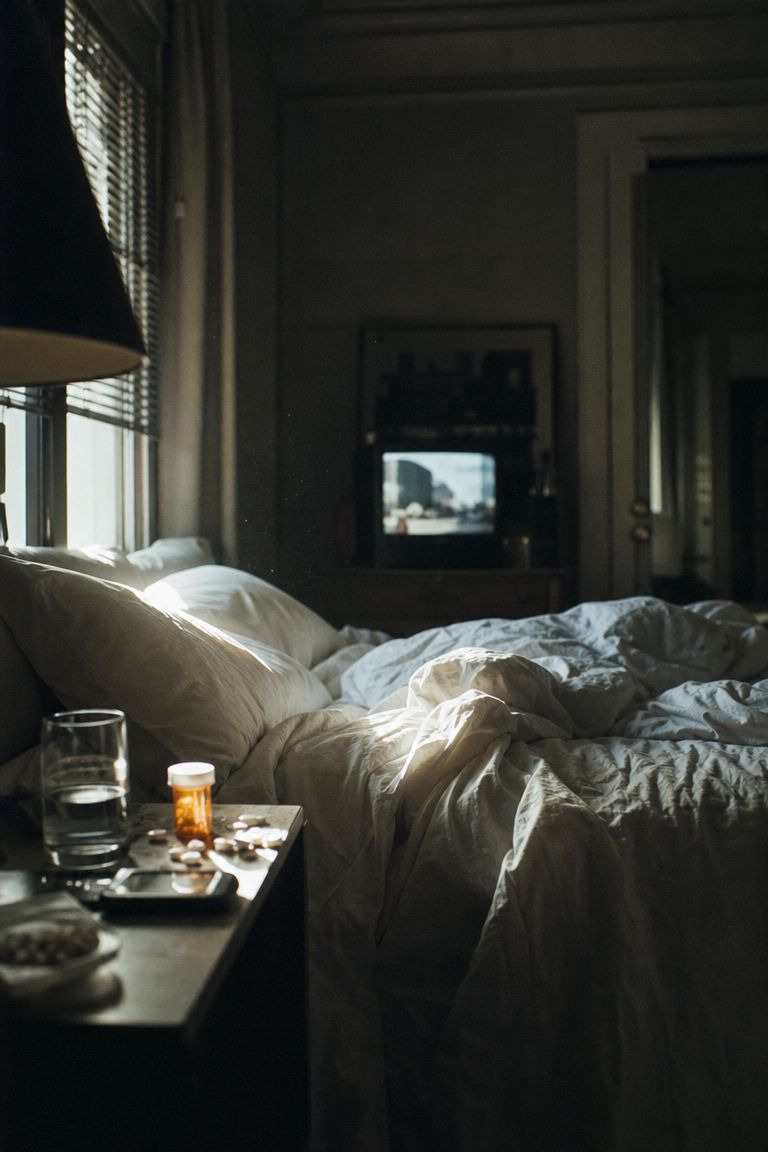
Ottessa Moshfegh has built a career on unlikeable narrators you can't stop reading, and this novel might be her sharpest execution of that trick. The unnamed protagonist is cold, privileged, and often cruel, yet her voice is so precise and darkly funny that you stay locked in for all 289 pages, waiting to see if she'll wake up changed or just wake up. Readers who loved Convenience Store Woman by Sayaka Murata or Luster by Raven Leilani will recognize the same interest in women who refuse to perform likability for anyone, including the reader. There's also a kinship with Fleabag-era dark comedy, though Moshfegh's prose is colder and more clinical, closer in spirit to Bret Easton Ellis's detached satire of the wealthy and numb. What makes the book work is Moshfegh's refusal to explain or soften her narrator's contempt. The satire of early-2000s wellness culture, therapy-speak, and art-world phoniness lands because it's delivered so deadpan. This isn't a book about redemption; it's a book about the specific, seductive fantasy of opting out entirely. This one is for readers who want literary fiction with teeth, who don't need to like a narrator to be fascinated by her, and who appreciate pitch-black humor about privilege, grief, and the myth of self-improvement. Not for anyone looking for warmth or easy resolution.