Our Take
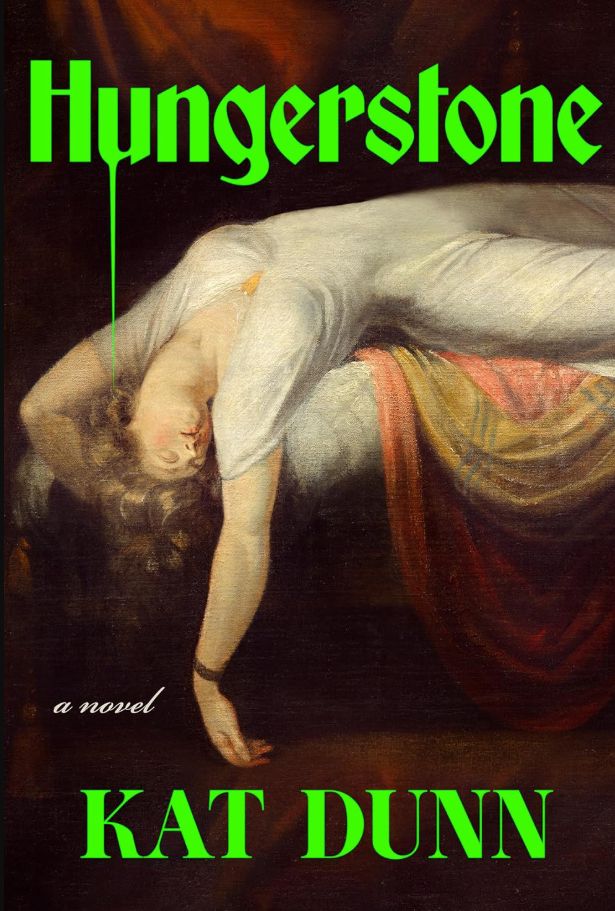
Kat Dunn takes the bones of Carmilla and grafts them onto Victorian industrial England, and the result is stranger and more physical than most gothic retellings manage. If you liked the slow dread and queer yearning of Silvia Moreno-Garcia's Mexican Gothic, or the way Plain Bad Heroines lets horror and desire tangle together, Hungerstone will feel like familiar, welcome territory. Dunn is especially good at making hunger a physical, almost architectural presence in the novel: hunger for freedom, for touch, for power, all pressing against the walls of a marriage built on obligation rather than affection. What sets this apart from typical vampire-adjacent gothics is how grounded it stays in the grime and class tension of a mill town economy. The creature stalking the moor isn't just a metaphor bolted onto the plot; it's tied into real anxieties about industry, ownership, and who gets to consume whom. Readers who want their gothic horror with teeth (sometimes literally) and a genuine emotional core rather than just atmosphere will find a lot to sink into here. It's slower than a straight thriller, so patience helps, but the payoff is a story that lingers uncomfortably, in the best way.