Our Take
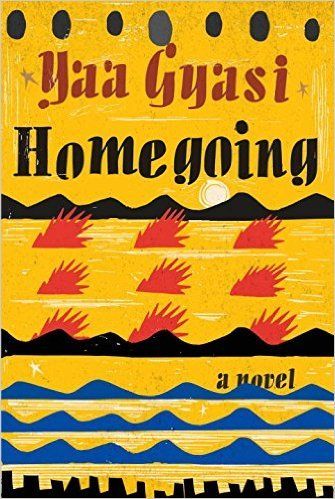
Yaa Gyasi wrote most of Homegoing while still in her twenties, and the ambition of the structure alone is staggering: fourteen linked chapters, each a near standalone story, spanning roughly 250 years across two continents. What makes it work isn't just scope, it's restraint. Gyasi trusts readers to feel the connections between generations without spelling them out, letting objects, names, and inherited trauma do the linking instead of heavy exposition. If you loved the multigenerational sweep of Pachinko, this hits a similar emotional register, though Gyasi's chapters are shorter and hit harder in quick succession. Fans of Toni Morrison's Beloved will recognize the unflinching look at slavery's psychological wounds, while readers of An American Marriage will appreciate how personal relationships carry the weight of larger historical forces. It's not a comfortable read, and it's not meant to be, but it's an essential one. Gyasi never lets you forget that history isn't background, it's the reason these characters make the choices they do. Nearly a decade after publication, Homegoing still holds up as one of the most structurally daring debuts in recent literary fiction, and it remains the best entry point into Gyasi's work before tackling her equally ambitious follow-up, Transcendent Kingdom.