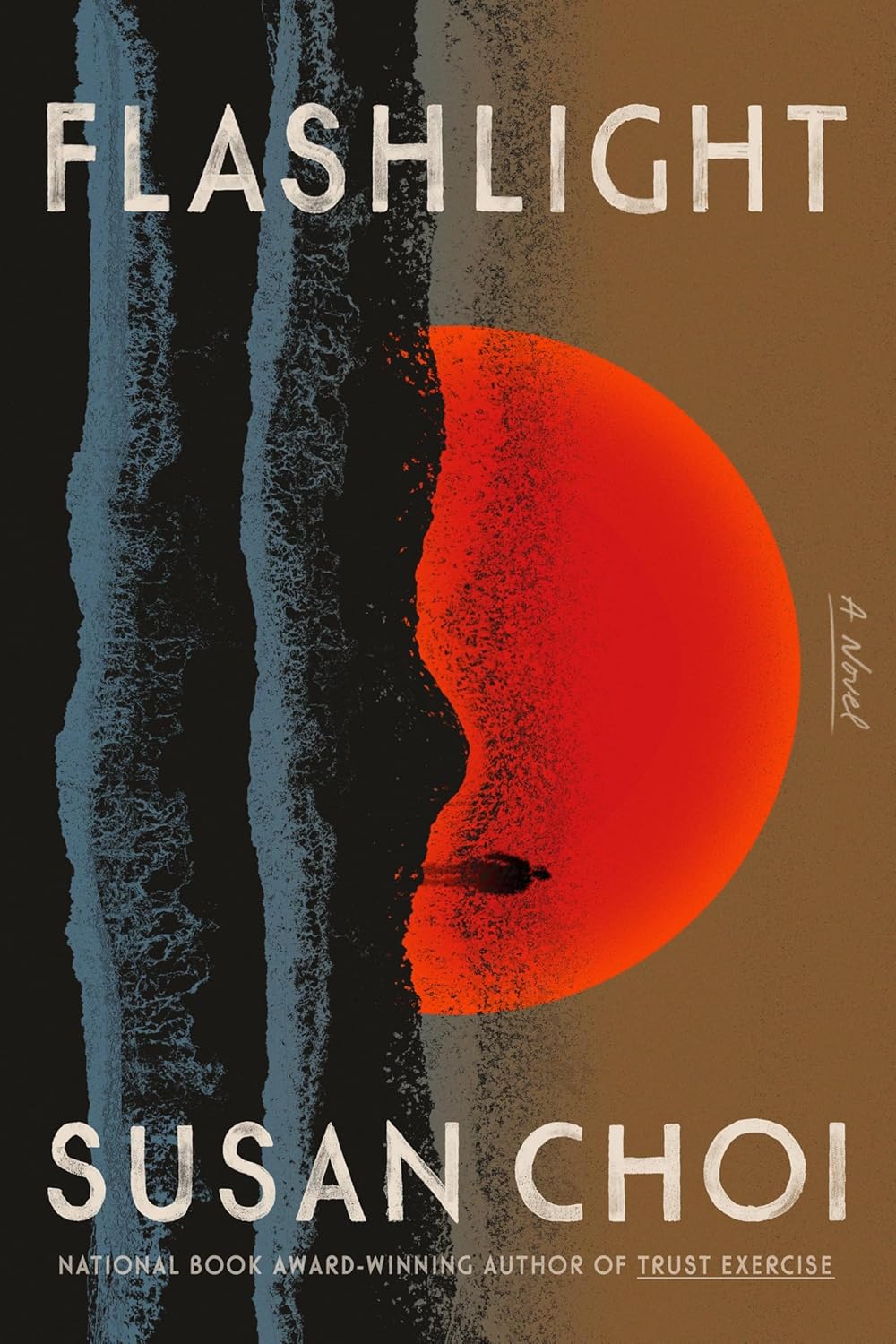
Our Take
Susan Choi has built a career on novels that refuse easy categorization, and Flashlight is her most ambitious yet: part family drama, part mystery, part meditation on displacement and identity across borders. The novel's structure, shifting across time and perspective, rewards patient readers who enjoy piecing together a family's hidden architecture the way you might in Pachinko by Min Jin Lee or The Sympathizer by Viet Thanh Nguyen. Choi's prose is precise and unshowy, letting the accumulating weight of detail do the emotional work rather than relying on melodrama. What makes the book distinctive is its refusal to resolve neatly; instead, it sits with ambiguity, particularly around questions of national identity and the invisible lines that separate American, Japanese, and Korean selves within one family. Readers who loved the intergenerational scope of Homegoing by Yaa Gyasi or the quiet devastation of Celeste Ng's family dramas will find much to admire here. Choi is less interested in plot mechanics than in psychological truth, and the novel's central mystery functions more as a doorway into character than a puzzle to be solved for its own sake. This is a book for readers who want their family sagas layered with real historical and political weight, and who don't mind sitting with discomfort rather than tidy answers. Patient, literary readers will get the most out of it.