Our Take
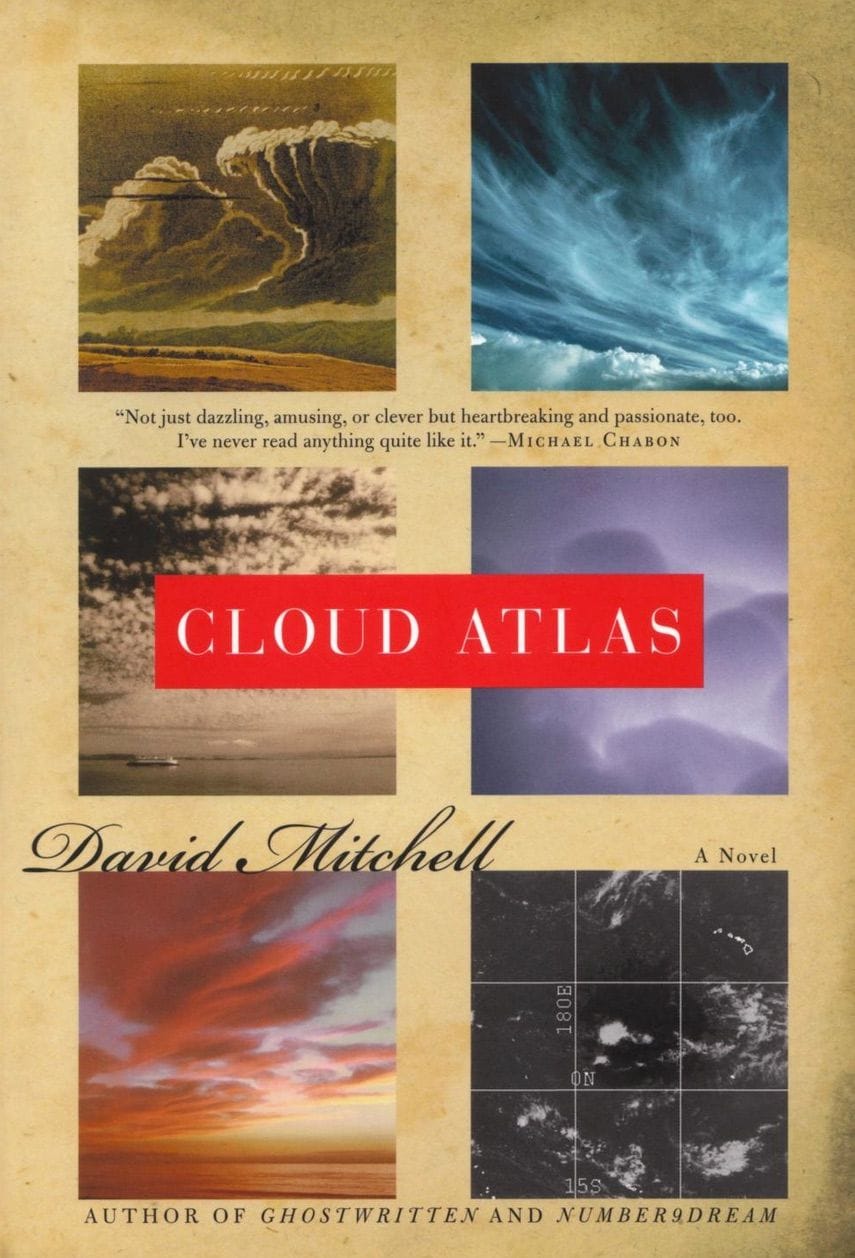
Cloud Atlas is the kind of novel that makes you reconsider what fiction is for. Published in 2004, it was shortlisted for the Man Booker Prize, won the British Book Awards Literary Fiction Award, and landed on the Guardian's list of the 100 best books of the 21st century—but what's remarkable is how little those accolades capture about the actual reading experience. This is not a novel that rewards at a distance. It rewards immersion. Mitchell's structural gambit—six nested, interrupted narratives resolving in reverse—could easily feel like a stunt. It doesn't, because each individual story is strong enough to stand alone. The 1930s composer sections read like a lost literary novella. The near-future dystopia has the propulsion of the best science fiction. The post-apocalyptic final section, written in a degraded future dialect, is eerie and genuinely moving. Mitchell earns every layer. The novel's central argument—that predation and exploitation repeat across every era, but so does resistance—gives what could be a formal exercise a beating heart. Kirkus called it "sheer storytelling brilliance," and that's not hyperbole. Readers who love The Bone Clocks by David Mitchell will recognize the same structural ambition and interconnected-souls mythology. Fans of The Dispossessed by Ursula K. Le Guin will find a kindred spirit in Mitchell's moral seriousness. And anyone who devoured A Visit from the Goon Squad by Jennifer Egan—another novel that makes fragmentation feel purposeful—will feel completely at home.