Classics

Recent Content

Project Hail Mary Is in Theaters Today

Project Hail Mary Is in Theaters Today

Project Hail Mary is in theaters today — and critics are calling it the first great movie of 2026. Here's everything you need to know.

Read more
The Namesake

The Namesake

Lahiri's debut novel follows the Ganguli family from Calcutta to Cambridge — and their son Gogol, burdened by a name that holds more history than he knows.

Read more
The Years

The Years

3:23 PMAnnie Ernaux's Nobel Prize-winning memoir dissolves six decades of French life into collective memory — private and historical all at once.

Read more
Imperfect Women Is Now on Apple TV+

Imperfect Women Is Now on Apple TV+

Imperfect Women is now on Apple TV+. Kerry Washington, Elisabeth Moss & Kate Mara star — but do the reviews hold up? Here's what we know.

Read more
Say You'll Remember Me

Say You'll Remember Me

Say You'll Remember Me by Abby Jimenez: A veterinarian meets his match in a woman who can't commit—but their connection refuses to fade.

Read more
See All Content
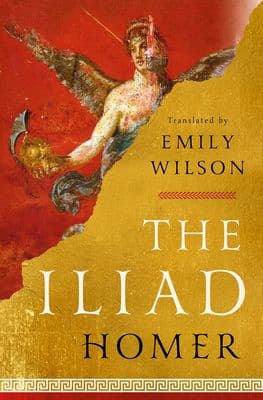
The Iliad book cover

The Iliad

by Homer

Epic Poetry
War
Mythology
848 Pages

"The Iliad isn't just ancient literature—it's the foundation of Western storytelling. What struck me most was how psychologically modern it feels, presenting warfare as simultaneously glorious and horrific, with characters whose pride, rage, and grief feel startlingly contemporary."

Synopsis

The Iliad recounts the events of a few weeks during the tenth and final year of the Trojan War, focusing on the rage of the Greek hero Achilles. The epic begins with Achilles' withdrawal from battle after King Agamemnon dishonors him by taking his war prize, the maiden Briseis. Achilles prays to his mother, the goddess Thetis, to convince Zeus to aid the Trojans, thereby demonstrating how crucial Achilles is to the Greek cause. As the Trojans gain advantage, the Greek commanders, including Odysseus and Ajax, attempt to persuade Achilles to return to battle, offering valuable gifts, but he refuses. His closest friend, Patroclus, borrows Achilles' armor to lead the Greeks and is killed by the Trojan prince Hector. Consumed by grief and rage, Achilles returns to battle, slaughters many Trojans, and ultimately kills Hector, whose body he drags behind his chariot and refuses to release for proper burial. The epic concludes with King Priam of Troy coming to Achilles' camp to beg for his son's body. Moved by Priam's grief, which connects to his own pain, Achilles relents, allowing Hector to receive funeral rites. The poem ends with Hector's funeral, though readers know that Troy's fall and Achilles' death lie in the near future.

Our Take

The Iliad stands as perhaps literature's most profound examination of war, simultaneously celebrating martial glory while unflinchingly depicting its devastating human cost. Composed nearly three millennia ago, Homer's epic established literary techniques and themes that still define Western storytelling: complex, flawed heroes; the interplay between human free will and divine influence; the transformative power of intense emotion; and the tension between individual excellence and communal responsibility. What makes the poem enduringly powerful is its refusal to present a simplistic moral universe—there are no true villains, only humans (and gods) driven by recognizable passions. Homer's psychological insight is remarkable: Achilles' rage stems from wounded honor, Hector fights knowing he will lose, and even minor characters receive moments that illuminate their humanity. The poem's battle scenes combine stylized formulaic elements with visceral specificity, often naming obscure hometowns and family connections of warriors just as they die, creating a poignant reminder of individual lives cut short. Perhaps most surprising to modern readers is the poem's conclusion, which transcends tribal loyalties as Achilles and Priam—bitter enemies—share a moment of profound connection through their common experience of loss. This scene, with its recognition of shared humanity across enemy lines, offers a glimpse of empathy emerging from the crucible of suffering. Across translations and centuries, The Iliad continues to speak to fundamental aspects of human experience: the desire for recognition, the complexity of honor, the devastating consequences of unchecked rage, and the universal experience of mortality that unites even the fiercest opponents.
Related Content

Classics

28 January 2026

Post

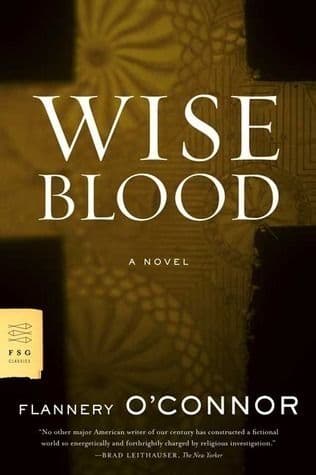
Wise Blood

Wise Blood by Flannery O'Connor: A haunting Southern Gothic novel about a war veteran's desperate struggle against faith and redemption....

Classics

24 December 2025

Post

Ethan Frome

Ethan Frome by Edith Wharton: A bleak New England tale of forbidden love, trapped lives, and inevitable tragedy. A devastating American classic....

Classics

14 December 2025

Post

A Mercy

A Mercy by Toni Morrison: In 1680s America, a young slave girl searches for love and belonging. A devastating exploration of early slavery....

Classics

09 December 2025

Post

The Go-Between

The Go-Between by L.P. Hartley: A young boy becomes an unwitting messenger in a forbidden affair. A haunting Edwardian tale of lost innocence....

Classics

05 November 2025

Post

Orlando

Orlando by Virginia Woolf: A gender-bending, time-traveling love letter spanning 300 years. One of literature's most daring experimental novels....

Classics

29 October 2025

Post

Lucky Jim

A hapless medieval history lecturer navigates academic bores and postwar stuffiness in this scabrous, hilarious 1954 satire of English university life....

Classics

28 October 2025

Post

Sula

Two Black women forge an unbreakable bond in a small Ohio town—until a betrayal tests whether their friendship can survive in Morrison's masterpiece. ...

Classics

26 October 2025

Post

The Door

A Hungarian writer's twenty-year relationship with her eccentric, secretive housekeeper unfolds in this powerful novel about loyalty, pride, and betrayal....

Classics

30 September 2025

Post

The Stranger

The existential masterpiece about absurdity and alienation. A classic exploration of modern life's meaninglessness....

Classics

16 September 2025

Post

Play It As It Lays

Play It As It Lays by Joan Didion: A searing portrait of 1960s Hollywood emptiness and existential despair. Minimalist prose, maximum impact....

Classics

04 September 2025

Post

Paradise

Toni Morrison's haunting novel explores an all-black town in Oklahoma and the tragic violence that shatters their isolated paradise....

Classics

28 August 2025

Post

In the Cafe of Lost Youth

Patrick Modiano's haunting novella follows the mystery of a young woman who frequents a Left Bank café in 1960s Paris. ...

Classics

26 August 2025

Post

Quicksand

Nella Larsen's Harlem Renaissance classic follows a mixed-race woman's search for identity and belonging in 1920s America....

Classics

23 August 2025

Post

Things Fall Apart

Chinua Achebe's masterpiece chronicles the collision between traditional Igbo society and British colonialism through one man's tragic story....

Classics

18 August 2025

Post

The Remains of the Day

Kazuo Ishiguro's Booker Prize-winning novel follows an English butler reflecting on duty, dignity, and missed opportunities....
Terms and ConditionsDo Not Sell or Share My Personal InformationPrivacy PolicyPrivacy NoticeAccessibility NoticeUnsubscribe
Copyright © 2026 Plot Digest