Our Take
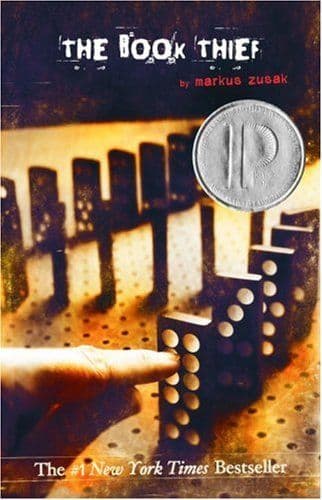
What sets The Book Thief apart is its narrator. Death tells the story of Liesel Meminger, a girl growing up on Himmel Street in Nazi Germany, and he does it with a curiosity and tenderness that nobody expects from him. That choice turns a familiar historical setting into something strange, intimate, and hard to forget.
Zusak writes in short, striking bursts, with asides, lists, and colors used almost like characters. It can feel playful one moment and devastating the next. The book is about the power of words, both how they can be used to harm and how they can comfort, and that theme runs through every scene of Liesel's life with her foster family.
It sits comfortably beside other novels that look at the war through ordinary lives. Readers who loved All the Light We Cannot See by Anthony Doerr will recognize the lyrical approach and the focus on young people caught in history. Those who want another story about the love of books in dark times might try The Diary of a Young Girl by Anne Frank, which is nonfiction but shares its human scale, or Suite Française by Irène Némirovsky for a more adult view of wartime Europe.
This is a great fit for readers who like emotional, character driven historical fiction and do not mind a book that asks for a few tissues. It works for teens and adults alike, and it rewards slow, thoughtful reading.