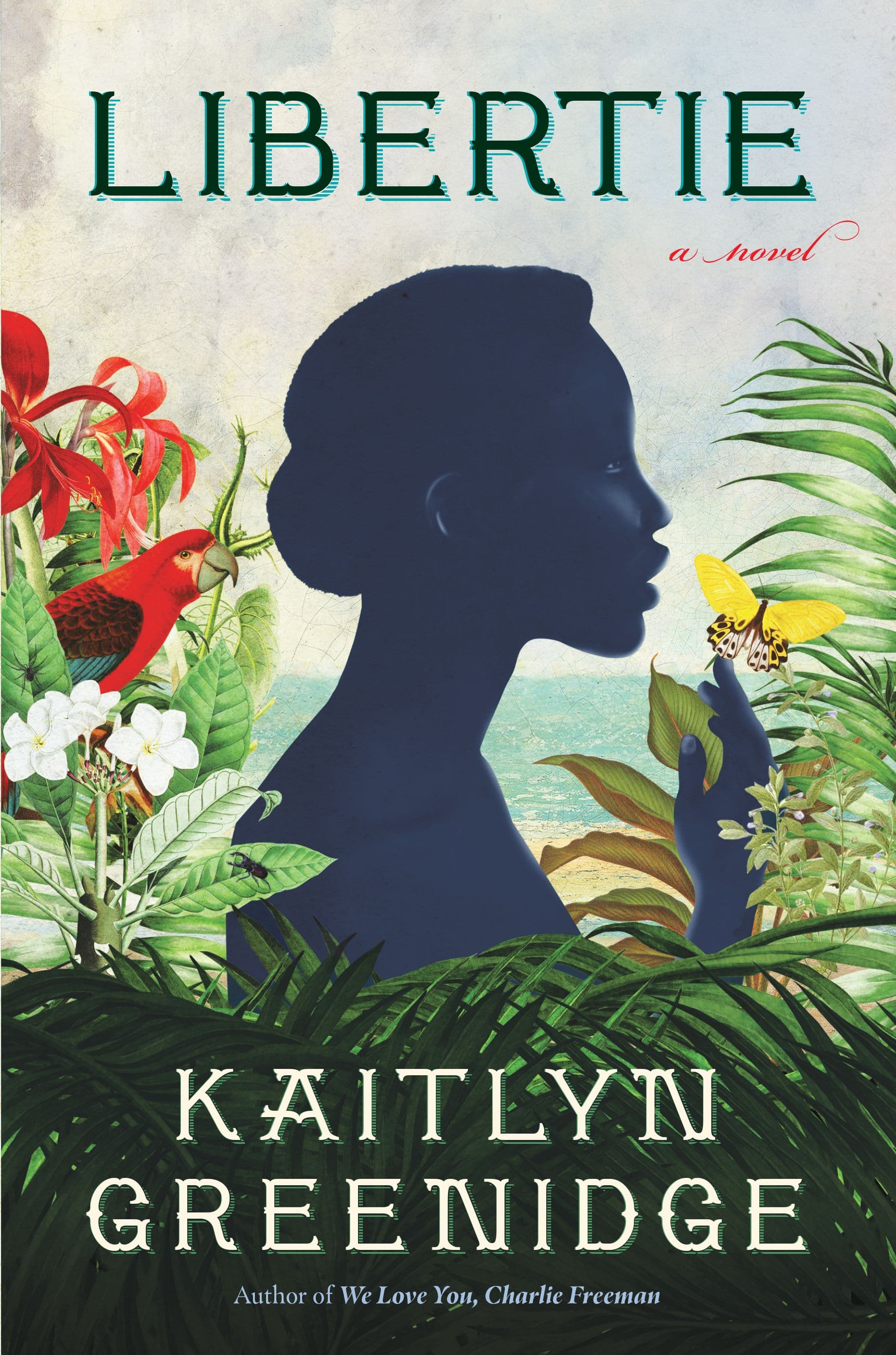
Our Take
Libertie is a novel about a concept — freedom — that Greenidge refuses to let solidify into anything comfortable. Every time Libertie moves toward it, the ground shifts: what looked like liberation from one vantage point reveals itself as a different kind of constraint from another. That structural restlessness is the book's great strength. Greenidge is not writing a story of triumph or defeat but something more honest and more difficult — a portrait of a woman learning that freedom is not a place you arrive at but a question you keep asking.
The mother-daughter relationship at the novel's core is rendered with particular complexity. Libertie's mother is not a villain; her ambitions for her daughter are genuine and rooted in love. But Greenidge is clear-eyed about how even loving visions can become a kind of cage, and the tension between them gives the book much of its emotional charge. The Haiti section opens the novel outward in unexpected ways, complicating both its geography and its politics.
Readers drawn to Brit Bennett's The Vanishing Half for its exploration of race, identity, and the costs of self-determination, or to Yaa Gyasi's Homegoing for its sweeping engagement with Black American history, will find Libertie a natural and rewarding companion — more interior in focus, but no less ambitious in its questions.